
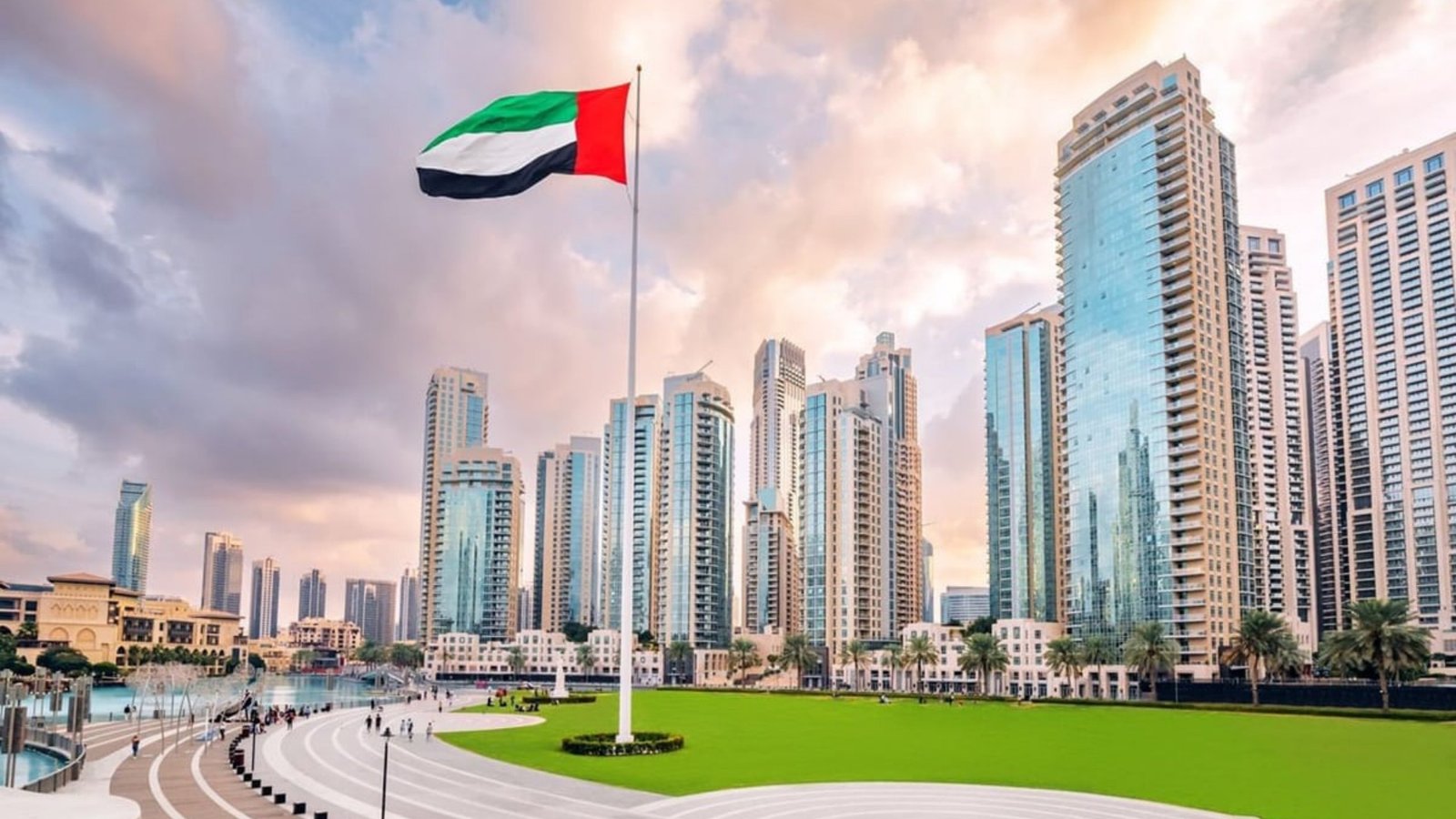

The UAE economy growth outlook 2026 shows strong expansion, with multiple reputable institutions forecasting robust performance next year. According to the World Bank, the United Arab Emirates’ gross domestic product (GDP) is expected to grow by about 5 percent in 2026, continuing a trend of solid economic momentum attributed to diversified activity across sectors.
Steady Growth Above Global Trends
Economic forecasts indicate that the UAE will outpace many global economies in 2026. The World Bank’s Global Economic Prospects report projects the UAE economy expanding by around 5 percent next year, with a further rise to about 5.1 percent in 2027. This compares favourably against slower global growth forecasts and underscores the country’s resilient economic base.
Non-oil sectors remain a primary driver of this expansion. Strong performance in trade, tourism, financial services, and real estate is expected to underpin much of the activity, while the hydrocarbon sector continues to contribute to growth through ongoing output adjustments and supportive production plans.
Inflation and Economic Stability Indicators
Inflation in the UAE has remained relatively contained. Estimates suggest that inflation could moderate to around 1-2 percent in 2026, marking a subdued price environment compared with many other markets. Central Bank reports indicate that easing pressures in transportation and food costs have contributed to lower headline inflation, helping maintain consumer purchasing power.
A stable inflation outlook gives policymakers flexibility to support growth through monetary and fiscal measures without undue pressure on living costs or business operating expenses. This calm inflation environment also strengthens investor confidence in the UAE’s economic planning.
Trade Milestones and Diversification Success
The UAE’s economic diversification strategy is yielding measurable results. Latest official trade data show that the country’s non-oil foreign trade volume has topped $1 trillion, a historic milestone that reflects burgeoning international commerce and robust export activity. Exports, re-exports, and imports all contributed to this record performance, highlighting the broadening base of the UAE’s international economic integration.
This achievement reinforces the UAE’s position not only as a major regional economic hub but also as an influential player in global trade networks. It underscores the success of policies focused on expanding trade partnerships, fostering private sector growth, and enhancing competitiveness.
Public Finance and Strategic Budgeting
The federal government has laid out a balanced 2026 budget with revenues and expenditures both pegged at Dh92.4 billion, the largest in the country’s history. This significant fiscal plan supports infrastructure, social services, and strategic investment priorities that align with long-term national economic goals.
Balancing the budget without a deficit demonstrates disciplined public finance management at a time when global economic uncertainties remain elevated. By investing in key sectors while maintaining fiscal stability, the UAE reinforces its commitment to sustainable growth.
Outlook Summary
Looking ahead to 2026, the UAE economy is positioned for steady expansion based on diversified growth drivers, a favourable inflation outlook, historic trade performance, and strong public finance fundamentals. Projections pointing to roughly 5 percent GDP growth reflect both established strengths and ongoing adaptation to global economic conditions. This performance will likely sustain investor confidence and contribute to the UAE’s broader economic objectives in the medium term.