

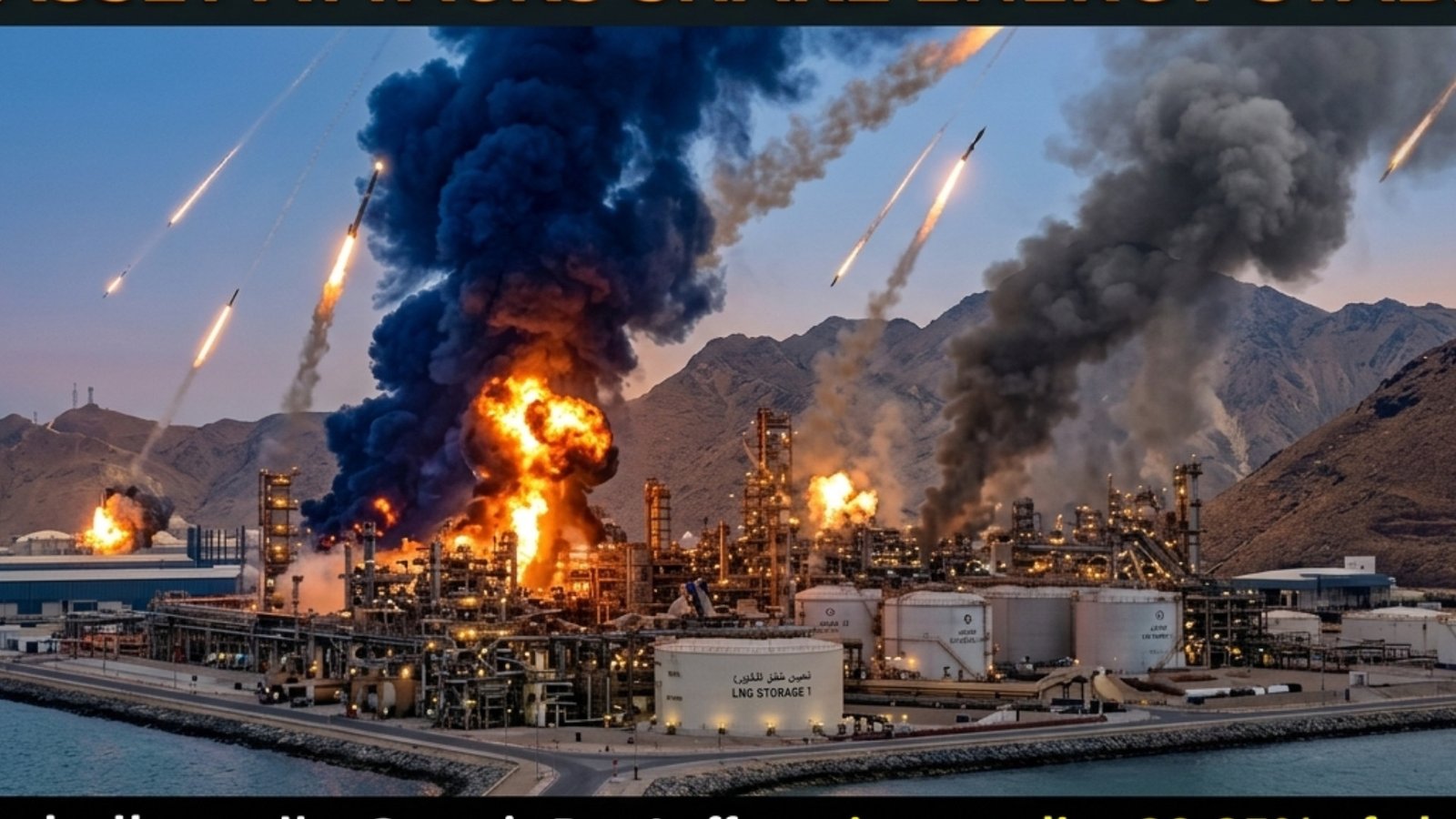

LNG assets attacks Gulf, damaging key gas infrastructure in Qatar and Iran, disrupting part of the global energy supply. Missile strikes hit Ras Laffan Industrial City, the main LNG export hub of Qatar. Officials confirmed fires at the site after the attack, but no casualties were reported.
Initial assessments show that two LNG production trains were damaged. This has reduced around 17% of Qatar’s LNG output capacity. Industry sources say repairs could take between three and five years, depending on the extent of the damage.
Strikes follow escalation linked to South Pars
The incident comes after earlier attacks on Iran’s South Pars gas field, which is shared with Qatar. The strike affected part of Iran’s gas production and increased tensions in the region.
In response, Iran launched missile and drone attacks targeting energy infrastructure. Qatar’s gas facilities were among the sites hit during this escalation. The situation marks a serious development, as major energy assets have been directly targeted.
Supply concerns rise in global markets
Qatar is one of the world’s largest LNG exporters, supplying key markets in Asia and Europe. The damage to its facilities is expected to tighten global supply in the short term. Some shipments may face delays as operators assess the impact and begin repair work.
Energy analysts say the disruption could lead to higher prices if outages continue. However, the full market impact will depend on how quickly LNG production capacity is restored.
Risks remain high across the region
The LNG assets in the Gulf have raised concerns about the safety of energy infrastructure across the region. There are also risks to shipping routes near the Strait of Hormuz, a key passage for global oil and gas trade.
Officials and industry players are monitoring the situation closely. Any further escalation could increase pressure on already sensitive energy markets.