

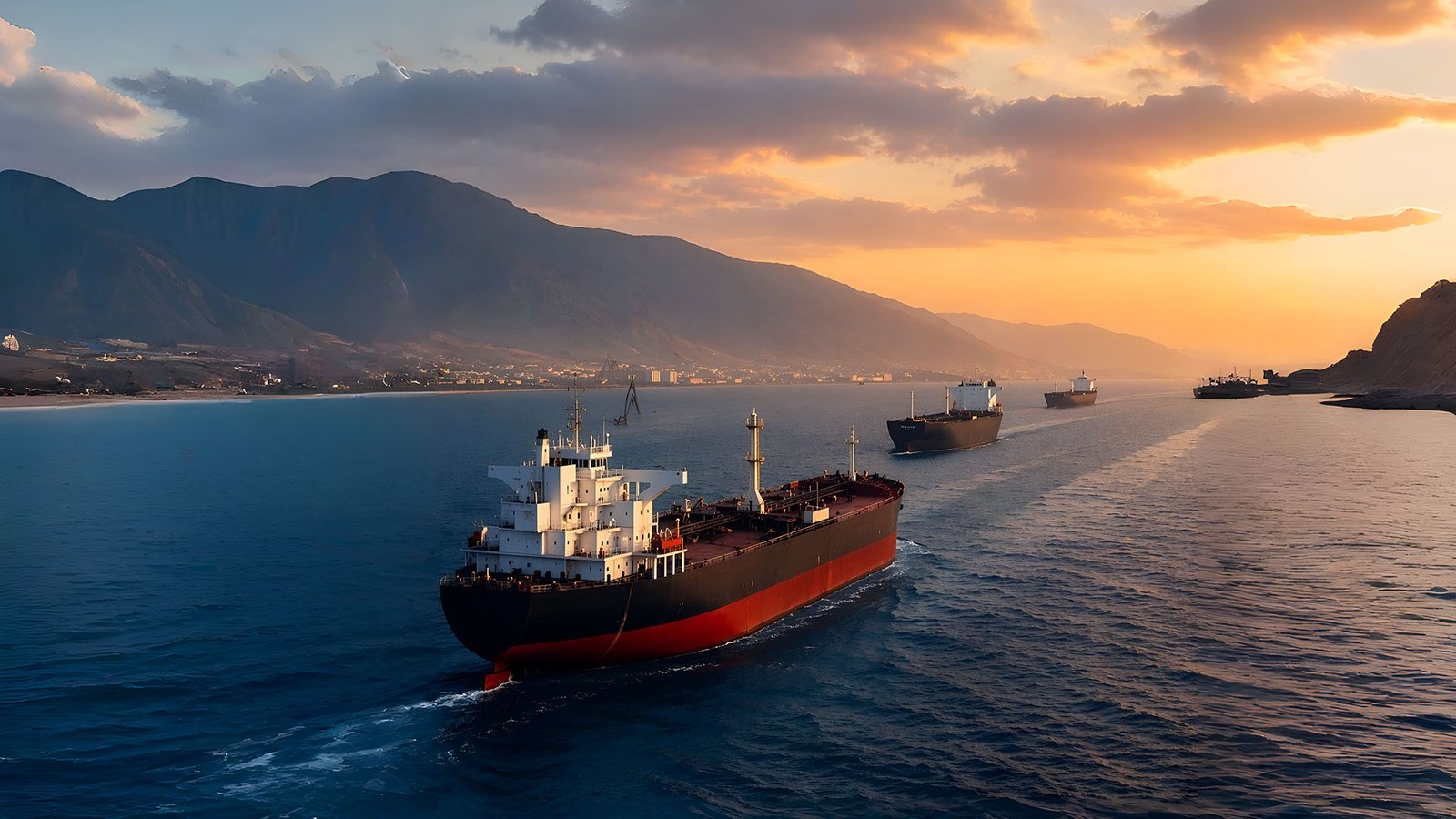

The GCC stability after ceasefire collapse is under pressure after U.S.-Iran talks failed to secure an agreement, increasing the risk of escalation across the Gulf. The breakdown has already led to market volatility and raised concerns over energy flows through key routes. Early signs of trade disruption in the Gulf are emerging, with higher shipping costs and delays affecting regional supply chains.
Ceasefire Failure Raises Security Risks in the Gulf
The collapse of negotiations has left a fragile situation unresolved, with both sides maintaining firm positions on security and regional influence. For Gulf countries, this raises immediate concerns over the safety of critical infrastructure, particularly in Saudi Arabia and the UAE, which have previously faced attacks targeting energy facilities.
Governments across the region are increasing monitoring and preparedness as tensions persist. The GCC stability after ceasefire collapse is closely linked to how quickly diplomatic engagement can resume and prevent further escalation.
Trade Routes Under Pressure as Disruptions Deepen
The most immediate impact is visible in trade disruption in the Gulf, particularly through the Strait of Hormuz, a vital corridor for global oil and gas shipments. Any slowdown or threat to this route directly affects export volumes and shipping timelines.
Higher insurance premiums and cautious vessel movement are adding pressure to logistics networks. Beyond energy, the disruption is extending to food imports and industrial goods, increasing operational costs for businesses across the GCC.
Before vs After Ceasefire Collapse: Impact on GCC
| Sector | Before Ceasefire Collapse | After Ceasefire Collapse |
| Trade & Shipping | Oil prices are relatively stable, steady exports | Oil prices crossing $100, export uncertainty, and supply risks |
| Oil & Energy | Rising delays, higher insurance premiums, and trade disruption in the Gulf are impacting supply chains | Market volatility, inflation concerns, and cautious investor sentiment |
| Economy | Strong growth outlook driven by diversification | Rising fuel costs, higher food prices, and increased living expenses |
| Stock Markets | Stable or growing indices across GCC markets | Declines in key indices, reduced foreign investments |
| Lifestyle & Cost of Living | Controlled inflation, stable fuel and food prices | Expansion in tourism, real estate, and startups |
| Business Confidence | Rising delays, higher insurance premiums, and trade disruption Gulf are impacting supply chains | Delayed investments, risk-averse business environment |
| Security Situation | Managed geopolitical tensions | Heightened military alert, increased regional risk |
| Global Trade Role | Reliable energy supplier to global markets | Disruptions affecting global supply chains and trade flows |
Economic Impact on UAE and Saudi Arabia
Financial markets in the Gulf have reacted cautiously, reflecting uncertainty over the duration of the crisis. While higher oil prices may support short-term revenues for major producers such as Saudi Arabia and the UAE, broader economic conditions remain under pressure.
Sectors tied to diversification, including tourism, aviation, and real estate, face increased risk if tensions continue. Inflation linked to supply chain disruptions is also expected to influence consumer spending patterns.
Energy Markets and Global Ripple Effects
Oil markets have responded quickly to the ceasefire breakdown, with prices rising amid concerns over supply constraints. The Strait of Hormuz remains a critical route for global energy trade, and any prolonged disruption could tighten supply further.
For GCC economies, this creates a mixed outlook. While energy revenues may increase, ongoing instability could slow investment flows and affect long-term growth strategies.
Outlook for GCC Stability
The GCC stability after ceasefire collapse will depend on whether diplomatic efforts can be restored and whether trade routes remain secure. Prolonged tensions could lead to continued economic pressure, shifts in investor sentiment, and higher operational risks across sectors.
For now, Gulf economies are balancing the short-term benefits of higher oil prices against the broader risks linked to instability and disrupted trade flows.