

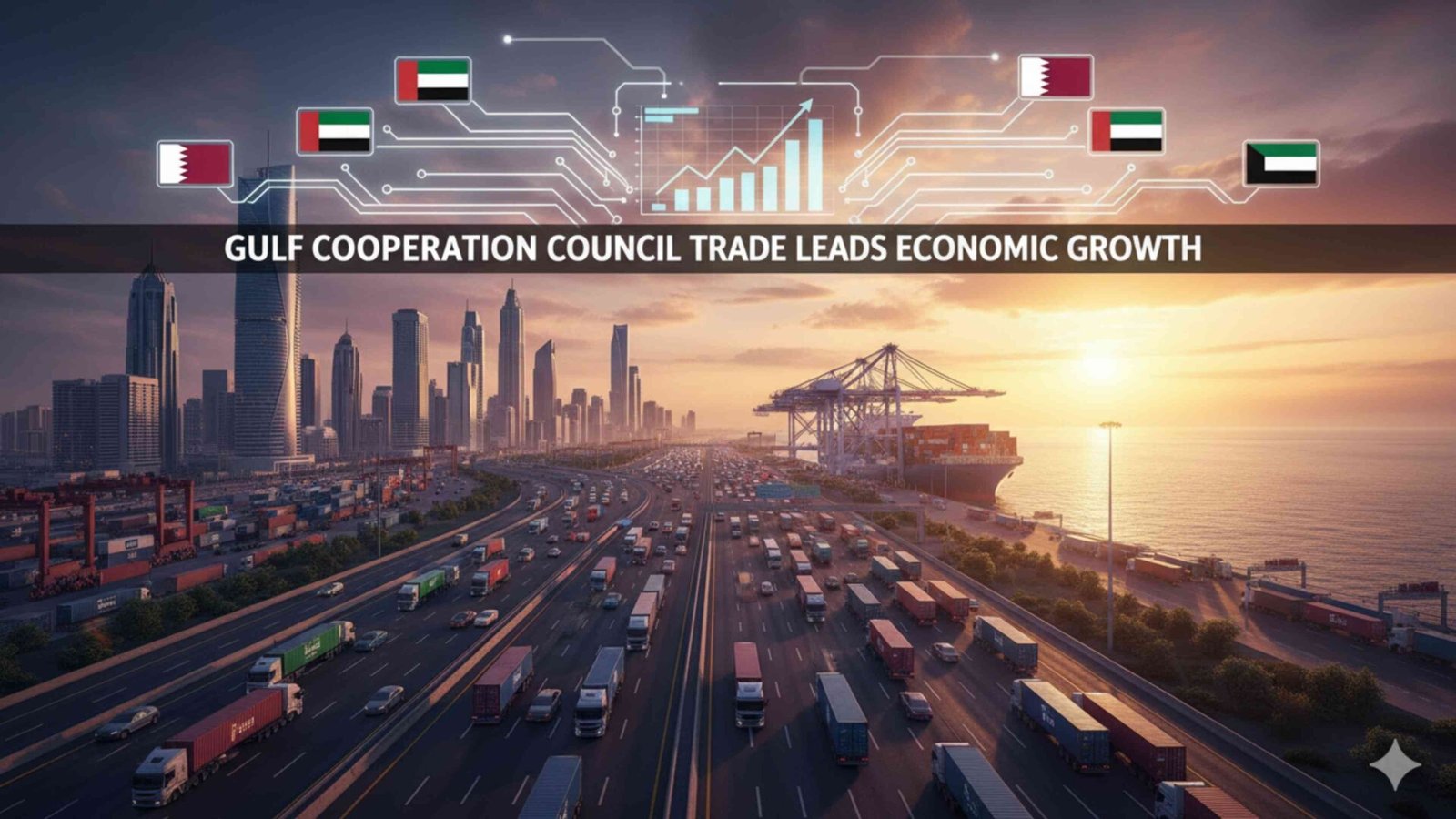

The Gulf Cooperation Council trade is shaping the future of the Middle East. In 2025, the GCC countries have increased their focus on building stronger trade ties. This move helps their economies grow beyond oil and connect more with global markets. The GCC is working hard to create more trade agreements that open doors for new business and investment.
Rising Oil Production Supports Budgets
Oil has always been important to these countries. This year, the UAE and Saudi Arabia have increased their oil production. The UAE’s oil output went up by about 4%, while Saudi Arabia also boosted its supply. Even though oil prices dropped to about $60 a barrel, rising production helps maintain government budgets. OPEC+ decided not to raise production any further in early 2026 to keep oil markets balanced.
Non-Oil Economy Shows Strength
The economies in the GCC are also growing in areas beyond oil. Abu Dhabi’s non-oil sector grew by 6.4% in the first half of 2025. Other countries like Qatar and Saudi Arabia have seen similar growth. Industries such as tourism, retail, and finance are expanding. Low inflation and reduced interest rates have kept demand steady and helped boost these sectors.
Trade Deals Build New Opportunities
Trade has become a key part of the GCC’s growth plan. The UAE signed 20 new trade agreements by October 2025 with countries like Australia, India, and Malaysia. The GCC is also in talks with India for a free trade agreement that could open up many markets. There are ongoing discussions with the UK, EU, Japan, and others. These deals are about more than just lowering tariffs. They make it easier to invest and trade services like finance and digital technology.
Looking Ahead: Better Cooperation
The GCC is working to improve how its countries trade with one another. They want to fully implement a customs union to make trading easier inside the region. This will help businesses save time and costs. The GCC is also making sure all these trade agreements work well together without confusion.
The combined GDP of the GCC is nearly $2.8 trillion. This large market makes the region attractive for global business. By strengthening trade and diversifying their economies, the GCC countries are planning for a more stable and prosperous future.
In short, the Gulf Cooperation Council trade efforts in 2025 show a clear push toward economic diversity and stronger global links. Rising oil production helps the region’s finances, while growing non-oil sectors and new trade deals open doors for long-term growth and stability.


