

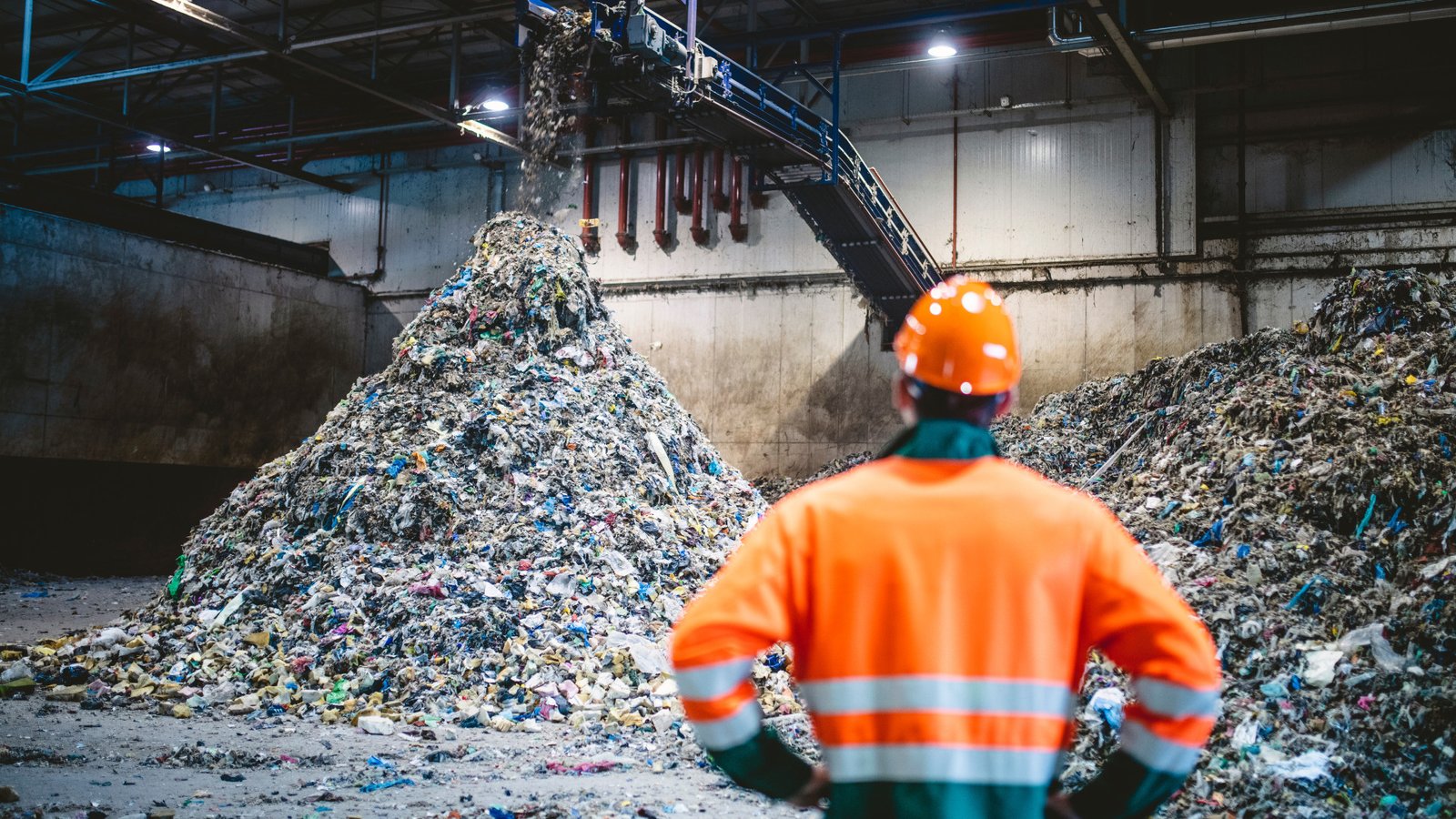

Saudi Arabia imports landfills take in recycled waste for building work. The country brings this material from abroad to use in concrete and road projects. Plenty of desert sand sits unused nearby, but it does not fit the job.
Builders need sharp, rough grains for strong mixes. Desert sand grains roll smooth from the wind over the years. That shape makes weak bonds in concrete. So Saudi teams ship in better sand and recycled bits from places like Australia. The UAE does the same for its tall towers and big highways.
Projects grow fast under Vision 2030. Riyadh and Jeddah see new homes and offices rise quickly. Local supply lags behind. Imports keep work moving without delays. Firms mix this waste into base layers and fills that hold up heavy loads.
Waste Adds Pressure
The kingdom puts out more than 100 million tons of trash yearly. That covers city garbage, building scraps, and factory leftovers. Landfills are packed tightly across the main cities. Jeddah alone sends about 1.5 million tons to sites like Buraiman each year.
Old dumps leak dirty water into the ground soil. They also burn off bad gases without filters. This harms the air and water nearby. The National Center for Waste Management steps in with strict rules. They push for covered cells and gas capture at new spots.
Steps to Cut Landfills
Saudi Investment Recycling Company, or SIRC, runs the main push. It invests billions to process waste into useful items. Plants crush old concrete into fresh gravel. Goals call for 80 percent diversion from dumps by 2035, then higher.
Private teams sort metals, plastics, and wood at yards. They turn scraps into new panels or fuel. Government teams build waste-to-energy burners, too. These cut trash volume and make power for homes.
Building Boom Fuels Need
Mega sites like NEOM and Qiddiya demand tons of top-grade fill. Local deserts offer sand, but not the right kind. Recycled imports bridge that gap right now. Rules require builders to reuse 20 percent of their own waste on site.
Over time, more plants mean less shipping in. SIRC has already opened yards in Riyadh and Dammam. They handle construction debris from roads and knockdowns. This loops materials back into jobs.
Road Ahead Clears Up
Saudi Arabia’s import of landfills marks a shift in how the country handles trash. Leaders aim to end open dumps by 2040. Reuse rates climb as tech improves. Investments train workers and buy machines for sorting.
Partnerships with global firms bring know-how. They test new ways to melt plastics or press blocks. Costs drop as scale grows. The kingdom cuts import needs while it builds green. In short, smart imports meet today’s rush. Home efforts build for tomorrow’s clean cycle. Waste turns from problem to resource step by step.