

The United Arab Emirates has long been famous for oil wealth, luxury malls, and architectural wonders. But in the last decade, another quieter economic force has grown into something meaningful: Sports tourism. This is when people travel specifically to attend sporting events, from big international fixtures like Formula 1 to golf and rugby tournaments. While it doesn’t always grab the front page, sports tourism has steadily become a reliable contributor to the UAE’s broader tourism and economic strategy.
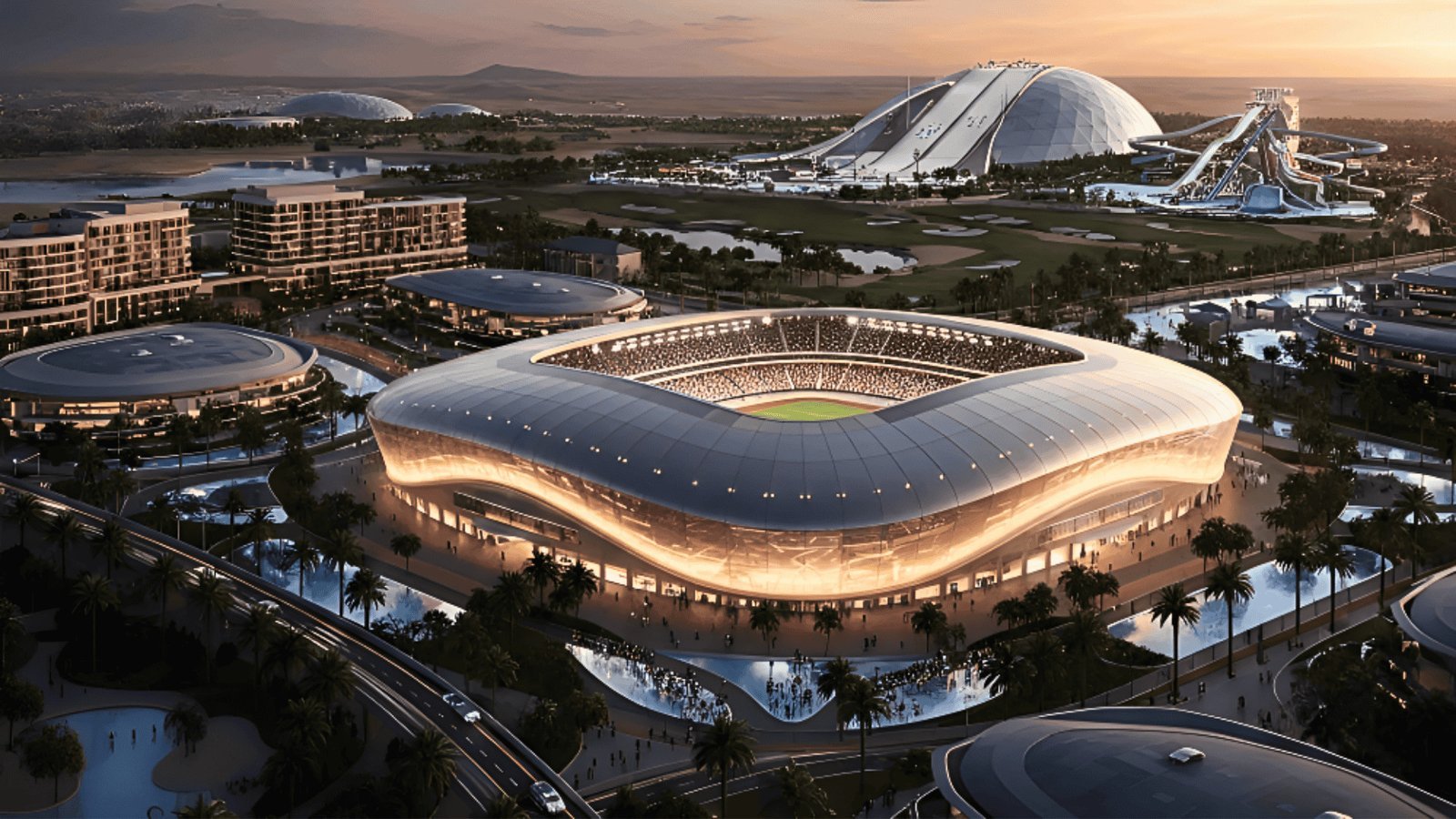
Governments in the UAE, especially in Dubai and Abu Dhabi, made a smart bet early on. They realised that hosting global sporting events could attract international visitors and help diversify their economies. Instead of relying mostly on business tourism or luxury travel, the country began building a sports calendar packed with high-profile competitions. That strategy is now paying off, with millions in additional economic activity across sectors such as hospitality, transport, and retail.
Big Events, Big Impact
One of the most visible symbols of this shift is the Formula 1 Etihad Airways Abu Dhabi Grand Prix. Held every year at Yas Marina Circuit, the event has grown into a global fixture that draws visitors from around the world. Data from Visa’s Travel Pulse study shows that during the 2024 race weekend, more than 133,000 Visa cardholders made purchases in Abu Dhabi, a 34 % increase in spending compared to the same period the year before. This boost wasn’t limited to race-related spending: visitors also shopped, ate in restaurants, and stayed in hotels across the emirate.
Major golf, tennis, and rugby events also play a part. Take the DP World Tour Championship in Dubai, which regularly attracts tens of thousands of spectators from overseas. One report estimated that around 65,000 people attended the event, with more than 18,000 from other countries, a clear sign of sports tourism in action.
These kinds of events don’t just sell tickets. They pull travellers who plan longer stays, book flights, spend on food, and explore cities beyond the venues.
A Growing Economic Footprint
The economic benefits aren’t small. According to a report from the Dubai Sports Council, sport-related events and activities added about AED 9 billion (roughly USD 2.4 billion) to Dubai’s GDP in 2022, which was about 2.3 % of the emirate’s total economy that year. This figure reflects a combination of sports event revenue, tourism spending, and broader industry participation.
It’s important to note that these figures cover direct and indirect economic values. Sports tourists contribute not only through ticket purchases, but also via hotel stays, dining, local transport, merchandise, and entertainment. The ripple effect creates jobs for hospitality workers, guides, drivers, and event staff, helping travel-related sectors beyond the stadium gates.
While not every event’s financial details are publicly disclosed, credible estimates show that major competitions significantly lift hotel occupancy rates, restaurant traffic, and service demand during peak weeks. For example, global travel insights have noted how events such as the Formula 1 weekend lead to higher hotel bookings and guest spending across Emirates.
Local Engagement and Cultural Shifts
Sports tourism isn’t just about foreigners flying in. Local residents are also increasingly planning trips around sporting activities. A 2025 survey conducted among UAE residents found that about 45% of respondents said they would plan a holiday around a major sporting event. Many said they wanted to attend as spectators, participate in activities, or combine sport with family travel and wellness time.
This reflects a broader cultural trend: sport is becoming a regular part of life for many in the UAE, not only something for fans abroad to attend. Residents are choosing sporting weekends, local competitions, and fitness festivals as reasons to travel within and outside the country.
Beyond Leisure, A Strategic Play
So why does this matter? The UAE’s leadership saw early on that sports tourism could be more than a weekend attraction. By investing in world-class facilities, hosting global championships, and ensuring seamless travel and logistics, authorities have built an ecosystem that supports repeat visitation. Instead of a single spike in numbers during a race weekend, many visitors extend their stays, explore multiple emirates, or plan return trips tied to different events.
Furthermore, this sports-centric tourism model aligns with broader economic goals. The UAE Vision 2030 and regional tourism strategies focus on diversifying beyond oil income and traditional travel markets. Sports tourism helps by adding another stream of travelers and income and by raising the country’s visibility on a global stage as a destination that blends luxury, culture, and major sporting events.
What It All Adds Up To
Sports tourism in the UAE isn’t the headline act like a rooftop skyline or luxury shopping district. It operates quietly, but powerfully, within a broader tourism ecosystem. Events such as the Abu Dhabi Grand Prix, international golf tournaments, and global championships help attract visitors who might never have considered the UAE otherwise.
The figures from Dubai’s sports council show that this isn’t a fad. The economic contributions are real and measurable. Local surveys reveal a cultural shift where both residents and international visitors see sports as a reason to travel. And forward-looking plans show that this trend isn’t slowing down.
In a region known for big ideas and bold investments, sports tourism has become one of those quiet yet steady contributors, building revenue, jobs, and global reputation without shouting for attention.