

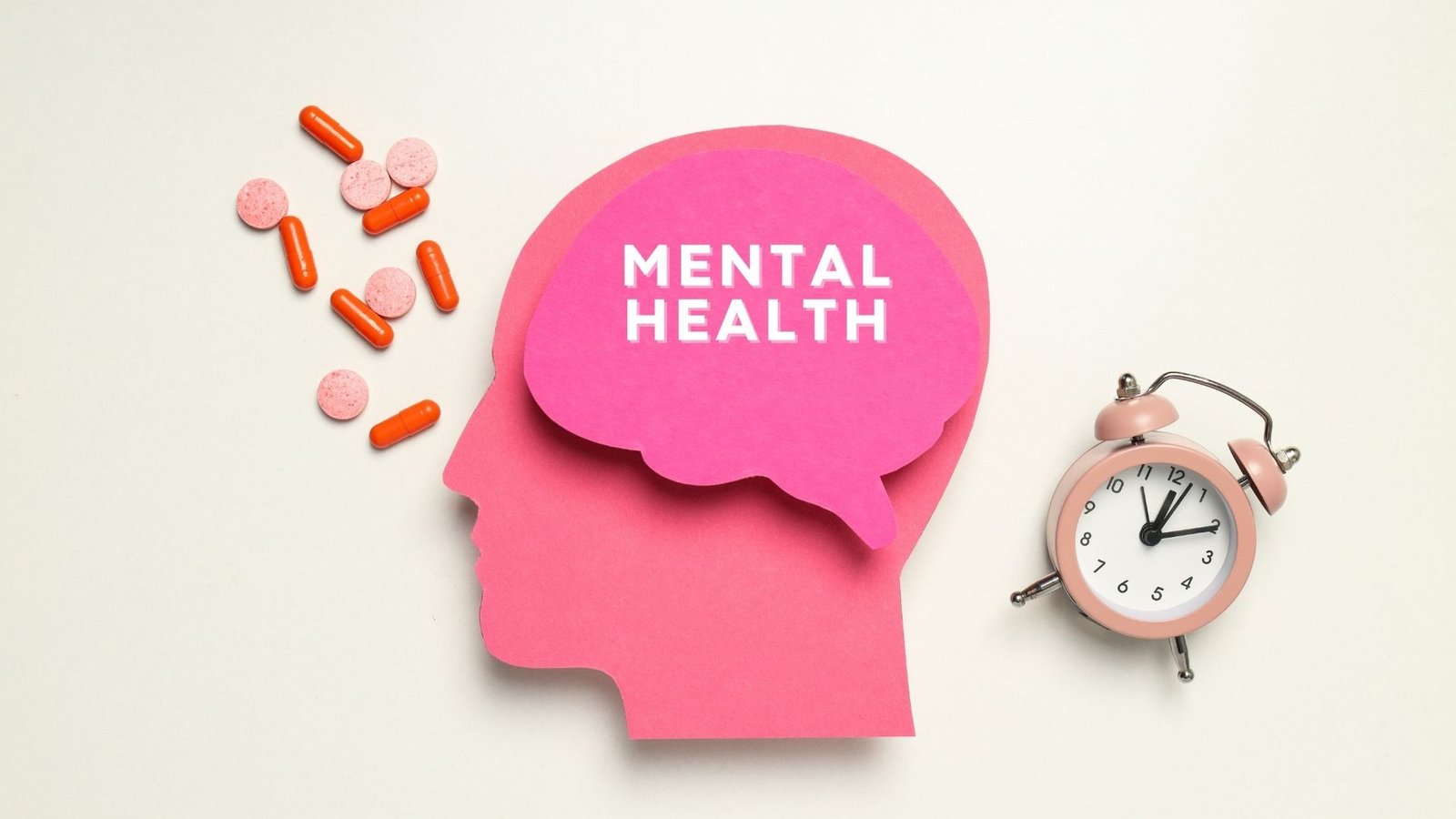

What is mental health? Why mental health matters? It is about how a person thinks, feels, and behaves every day. It affects how we deal with stress, how we make choices, how we treat others, and how we handle problems. When mental health is good, people can learn, work, and enjoy life. When it is not, even simple tasks can feel hard. That is why mental health matters for children, adults, families, and communities.
To understand this idea in a very simple way, it helps to listen to experts who explain mental health using everyday examples. The video below breaks down mental health in clear language and shows why it is just as important as physical health.
Mental health matters because the mind and body work together. When the mind is under stress, the body often suffers too. Poor sleep, low energy, headaches, and weak focus are common signs. Over time, emotional pain can affect physical health, work life, and relationships.
Why Mental Health Is a Growing Issue in the Middle East
The Middle East has faced many difficult situations over the years. Wars, conflict, displacement, and economic pressure have affected millions of people. Many families have experienced fear, loss, or sudden change. These experiences do not disappear once life becomes normal again. They stay in the mind and can quietly affect mental health.
Apart from conflict, modern life has added new pressures. Long working hours, job insecurity, high living costs, and social expectations create stress. Many migrant workers live far from their families and support systems. Young people also feel pressure to succeed while managing studies, work, and social life.
Hearing real stories helps people understand that these struggles are common. This video explains emotional pain and why many people suffer silently without support.
Acknowledging Mental Health Is an Important Step
For a long time, mental health was not openly discussed in many Middle Eastern societies. People were expected to stay strong and patient. Talking about emotional pain was often seen as weakness. Because of this, many people suffered quietly.
Today, this thinking is slowly changing. Schools, offices, and families are starting to talk about emotional well-being. Social media has also helped people share their stories and realize they are not alone. Acknowledging mental health does not mean losing strength. It means understanding yourself and choosing care.
The Middle East’s Changing View on Mental Health
Several Middle Eastern countries are now taking mental health seriously. Governments are opening counseling centers, improving hospital services, and running awareness campaigns. Employers are also beginning to discuss stress, burnout, and work-life balance.
Religious and community leaders are also playing a positive role. Many now explain that caring for the mind does not go against faith or culture. Instead, it supports a healthy and balanced life. This mix of tradition and modern care is helping people feel safer about seeking help.
When Should Someone Seek Help?
Many people wait too long before asking for help. But mental health problems often grow if they are ignored. It is important to speak to a doctor or counselor when:
- Sadness or worry lasts for many days
- Sleep problems become regular
- Anger or fear feels hard to control
- Focus at work or school becomes poor
- Social withdrawal increases
- Life feels hopeless or meaningless
Early help can prevent bigger problems. Talking to a professional can bring relief and clarity.
What Happens If Mental Health Is Ignored
When mental health problems are left untreated, they can affect every part of life. Relationships may suffer. Work performance can drop. Confidence may slowly fade. Stress and anxiety can turn into serious conditions such as depression or panic attacks.
Ignoring mental health can also harm physical health. Long-term stress is linked to heart problems, weak immunity, and constant tiredness. In severe cases, untreated mental illness can lead to self-harm or suicidal thoughts. This is why experts stress the importance of early care and open conversation.
What Experts Say
Health experts around the world agree on one simple truth: mental health matters, as it is a basic part of overall health. Doctors often say that strong societies are built on healthy minds. They encourage families to listen without judgment and support each other during difficult times. Mental health professionals in the Middle East also highlight the role of families and communities. They say that kind words, understanding, and encouragement can help people heal faster than silence.
To understand how professionals view mental health and why they emphasize support and early care, it helps to listen to trusted voices in the field. The video below features a mental health expert explaining how emotional well-being affects daily life, relationships, and overall health. This clear discussion brings expert insight into the topic in a simple way that anyone can follow.
Looking Ahead
The Middle East is slowly reaching a turning point. Awareness is growing, services are improving, and conversations are becoming more open. Young people are leading this change by speaking honestly about stress, emotions, and mental well-being.
Understanding what mental health is helps remove fear and confusion. It reminds people that emotional struggles are human and treatable. When societies choose care over silence, healing becomes possible. Mental health matters today more than ever, and the change has already begun.