
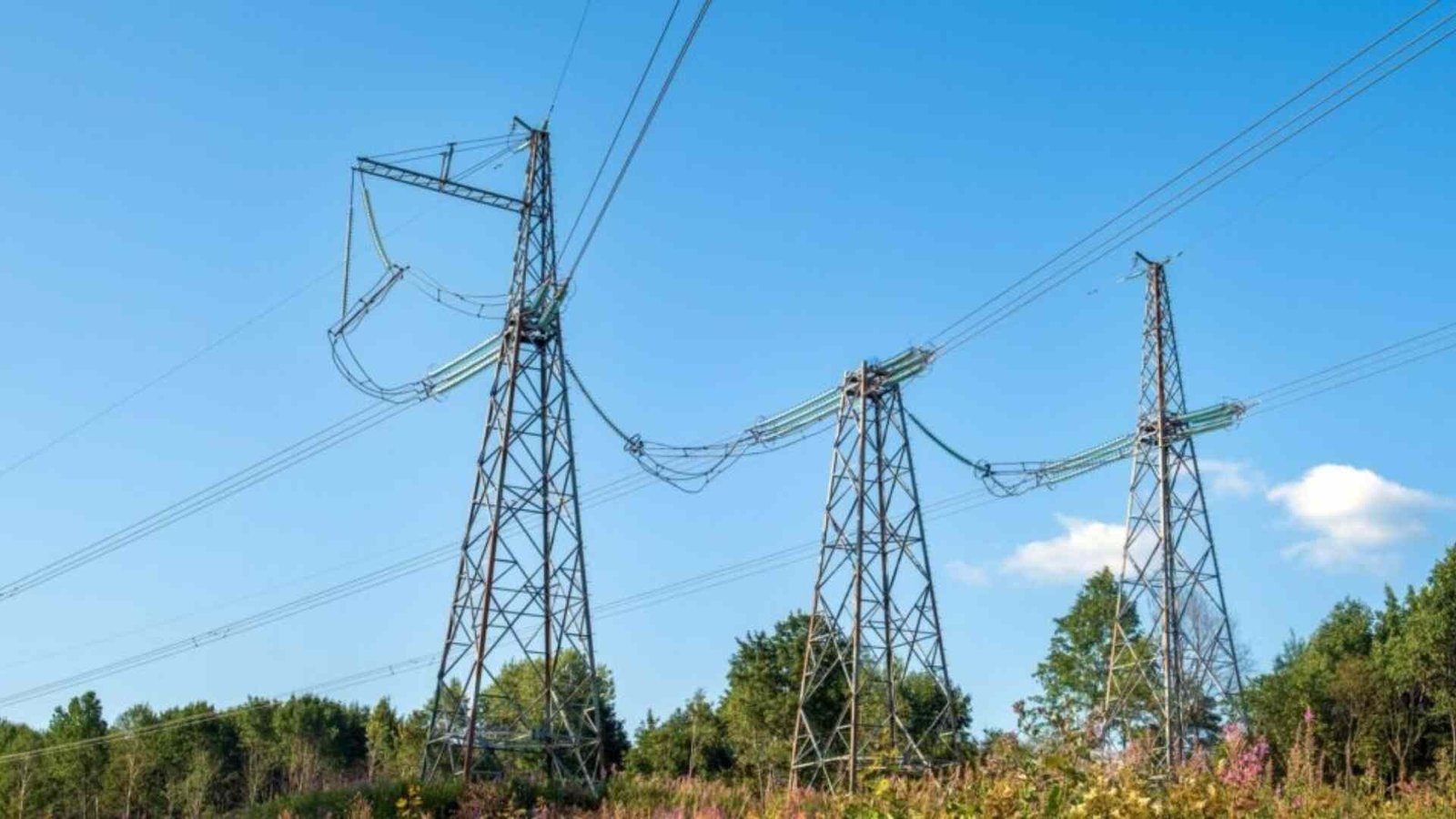

The Gulf Interconnection Authority is investing $3.5 billion over the next ten years to boost the GCC Power Grid. This plan aims to strengthen infrastructure, integrate renewable energy, and open electricity export opportunities to neighboring countries. The grid currently links all six Gulf Cooperation Council member states, from Oman to Kuwait, and this investment will expand its capacity and reach.
Expansion and regional integration
The Gulf Interconnection Authority’s plan includes connecting the GCC grid with Iraq in April next year, marking the first link outside the GCC region. Further connections to Jordan, Egypt, and potentially Syria are also being considered. These links will enable the Gulf to become a regional electricity export hub, enhancing trade and power sharing across borders.
Financing and cost recovery
The authority will finance the projects and recover costs through annual fees from member states. The Iraq connection alone costs over $300 million and is expected to be recouped in seven years through transmission tariffs. This financial model ensures sustainable investment without profit margins.
Renewable energy and grid stability
With Saudi Arabia targeting 50% renewable energy generation by 2030, the Gulf’s renewable capacity is set to grow significantly. The expanded grid will support exporting this clean energy to Egypt and Europe. However, high and fluctuating electricity demand from data centers and AI projects poses grid challenges. Grid interconnection helps stabilize supply and reduces fluctuation impacts.
The Gulf Interconnection Authority’s $3.5 billion plan is a strategic effort to transform the Gulf into a key electricity export hub by expanding grid infrastructure, connecting new countries, and advancing renewable energy integration. This initiative will enhance regional cooperation and meet growing power demands securely and sustainably. The focus on connectivity and renewable power export positions the Gulf for a leading role in regional and international energy markets.