
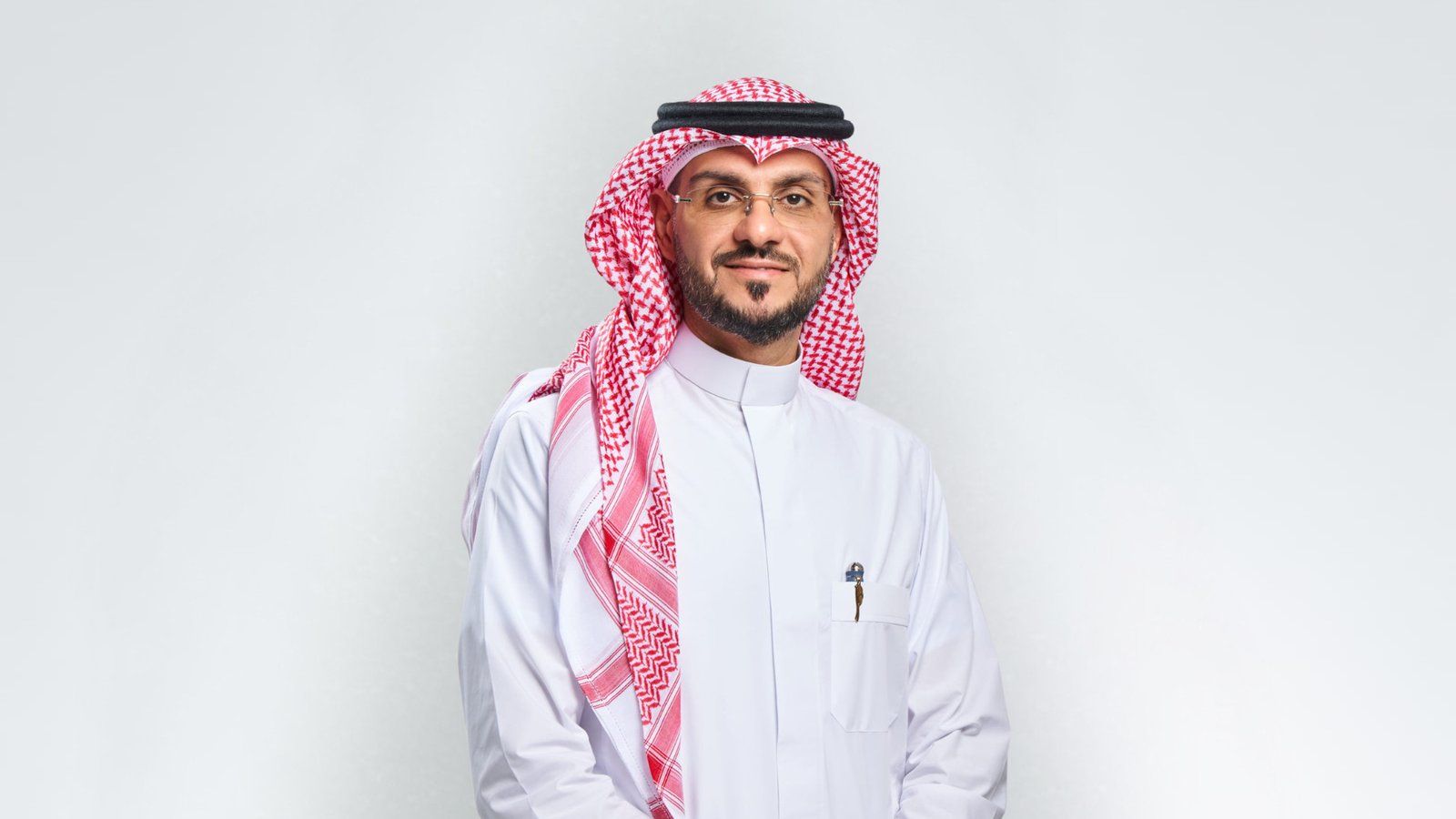

Before leading Environmental Horizons, Amin Ali built his career in demanding industrial environments where performance, safety, and accountability were non-negotiable. He worked across steel manufacturing, fuel operations, and high-risk industrial settings, places where systems are tested daily, and mistakes carry immediate consequences. That experience gave him a grounded understanding of how complex operations function under pressure and how leadership decisions directly affect people, assets, and outcomes.
Over time, those environments shaped more than his technical capability. They sharpened his awareness of risk, responsibility, and the gaps that often exist in industrial decision-making. He began to notice a pattern: environmental considerations were frequently addressed late, once thresholds were crossed, or compliance issues emerged, rather than being built into planning from the start. Waste management, emissions control, and environmental risk were often treated as secondary concerns, despite their long-term impact on operations and sustainability. That realization marked a shift in perspective and set the foundation for his transition into environmental leadership.
That realization changed his direction.
As Saudi Arabia moved toward Vision 2030, Amin saw that environmental performance would become central to national growth and industrial competitiveness. He made a deliberate shift, choosing to focus his leadership entirely on the environmental sector, not as a support service, but as a driver of meaningful change.
Today, as CEO of Environmental Horizons, he leads with a clear focus: solving practical environmental problems while supporting sustainable economic development. For him, leadership means building teams that deliver results, protect resources, and create value that lasts.
The Evolution of Environmental Horizons
Environmental Horizons was founded in 2007, at a time when environmental regulation in Saudi Arabia was still taking shape. The company began as an environmental consulting firm, providing compliance, assessment, and advisory services to support emerging regulatory requirements.
As expectations increased and Vision 2030 raised the bar for environmental performance, the company evolved with purpose. It expanded beyond consulting into integrated environmental operations, adding capabilities such as hazardous and industrial waste management, contaminated site rehabilitation, environmental monitoring, emergency response, landfill operations, asbestos management, training services through its training center, and sustainability consulting services. Each was introduced deliberately and in response to real industry needs.
Every step of this evolution was intentional. The focus was never growth for visibility, but growth in capability, building the depth, systems, and expertise required to deliver practical, end-to-end environmental solutions aligned with national priorities.
Milestones That Strengthened EH’s Credibility
As Environmental Horizons took on increasingly complex and high-impact work, its credibility was strengthened through consistent delivery in major and vital sectors across the Kingdom, where precision, continuity, and accountability are essential. Experience gained from critical projects in areas such as power generation, petrochemical operations, and water desalination supported project-level collaboration with regulatory authorities, where practical challenges required scientifically grounded solutions. In these contexts, EH contributed technical input informed by field experience, supporting effective implementation and reinforcing confidence in the company’s ability to operate reliably within demanding regulatory frameworks.
As its role in the sector expanded, Environmental Horizons also invested in building the foundations required for sustained impact. A key step was the establishment of an accredited environmental training center, reflecting a long-term commitment to developing local expertise and strengthening national capacity. This focus on people and institutional capability reinforced EH’s reputation for consistency and discipline in delivering complex environmental work. Today, Environmental Horizons provides more than 30 specialized environmental services across multiple sectors, reflecting a mature, adaptable organization aligned with national sustainability priorities.
Core Strengths and Emerging Priorities
Environmental consulting and hazardous waste management remain the company’s strongest foundations. These services address high-risk regulatory and operational needs where precision, compliance, and operational discipline matter most.
At the same time, sustainability has become one of the fastest-growing areas of the business. Demand for ESG advisory services, emissions-reduction planning, circular-economy initiatives, and waste-to-resource solutions has increased significantly. These are no longer side initiatives; they are leadership-level priorities shaping how organizations manage risk and performance.
Clients are no longer asking whether sustainability matters. They’re asking how to implement it effectively, measurably, and without disrupting operations or wasting resources. Environmental Horizons responds with practical strategies, clear performance metrics, and solutions designed for real operating environments.
ESG Services: From Compliance to Strategic Value
ESG services have become a core pillar of Environmental Horizons’ work as regulatory expectations and investor scrutiny increase. ESG performance is treated as a measurable driver of resilience, transparency, and long-term competitiveness.
The company supports organizations in translating ESG frameworks into practical action through targeted assessments, emissions and waste strategies, circular-economy planning, and compliant reporting aligned with national and international standards.
For Amin, ESG is not a reporting exercise but a leadership discipline—one that embeds responsibility, risk management, and long-term value into operational and executive decision-making in line with Vision 2030 objectives.
High-Stake Projects
Environmental Horizons is frequently engaged in comprehensive, high-impact projects that extend beyond single sites or isolated challenges. These initiatives are often national in scope, involve critical infrastructure, and require coordination among multiple stakeholders, including regulators, operators, and project partners.
Such environments demand flexibility, speed, and disciplined execution. Projects typically operate under tight timelines, evolving conditions, and strict compliance requirements, requiring an agile approach without compromising environmental integrity. Environmental Horizons addresses this balance by integrating environmental considerations into project planning from the outset, aligning impact mitigation with operational and stakeholder expectations.
This ability to manage complexity, coordinate across parties, and deliver reliable outcomes under pressure defines EH’s role in high-stakes project environments.
Environmental Horizons’ contribution to Saudi Arabia’s Vision 2030
Environmental Horizons supports Vision 2030 by translating national environmental objectives into practical outcomes across industry and government. The company works to strengthen environmental compliance, improve waste management, reduce pollution, and mitigate environmental impacts associated with large-scale industrial and infrastructure activities. This includes supporting more sustainable operating models that enhance resource efficiency and reduce long-term environmental footprints within critical sectors.
Beyond compliance, Environmental Horizons helps organizations integrate environmental impact considerations into long-term planning and decision-making. By promoting proactive approaches to risk management, resource optimization, and emissions reduction, the company supports more resilient and environmentally responsible operations. Through this role, Environmental Horizons contributes to building national environmental capability and institutional readiness in line with the Kingdom’s sustainability and circular-economy ambitions under Vision 2030.
The focus is simple: build systems, skills, and knowledge that last.
Tackling Complex Industrial Challenges
Amin explains, “Industries such as power generation, petrochemicals, and desalination operate under constant regulatory pressure. Managing hazardous waste, contaminated water, and chemical by-products requires accurate classification, strict handling, and compliant treatment to avoid operational and legal risk.”
At the same time, emissions control and water-efficiency standards are tightening. Companies are expected to adopt more advanced monitoring systems, improve processes, and invest in better-trained teams, all while keeping pace with evolving regulatory requirements.
Environmental Horizons supports these sectors with clear regulatory guidance, technical assessments, and practical solutions that reduce risk and support long-term operational stability.
Encouraging industrial companies to invest in long-term environmental solutions.
Amin believes companies invest when sustainability is treated as a business advantage rather than an expense. Through data-driven analysis and lifecycle cost assessments, Environmental Horizons demonstrates how early action reduces disruption, lowers regulatory risk, and delivers cost savings over time.
The company works directly with leadership teams to align environmental initiatives with core business goals such as efficiency, resilience, and investor confidence. Strong environmental performance builds trust, protects corporate reputation, and aligns organizations with global expectations and standards.
A Culture Built on Safety and Responsibility
At Environmental Horizons, safety is part of everyday work, not a separate function. It is embedded into daily operations through regular training, audits, and clear communication that ensure teams understand risks and apply standards consistently.
Roles and responsibilities are clearly defined and supported by measurable performance indicators. Leadership reinforces this culture by setting the example, prioritizing risk management, and using performance data to guide decisions. Accountability is shared at every level.
Amin Ali’s Leadership Approach
Amin leads with integrity, focus, and trust in people. His decisions are grounded in science, regulatory discipline, and ethics. He believes leadership is defined by responsibility, developing teams, managing risk carefully, and prioritizing long-term value over short-term wins.
Success, for him, is reflected in the strength of the organization and the confidence, capability, and commitment of the people within it.
Looking Ahead
The environmental sector is changing rapidly. Digital monitoring, data-driven analysis, circular-economy solutions, emissions reduction, and water reuse will shape the next decade.
Environmental Horizons is already integrating these tools into daily operations, not as pilot initiatives but as working systems. The objective is not novelty, but measurable results that function within real industrial and regulatory conditions.
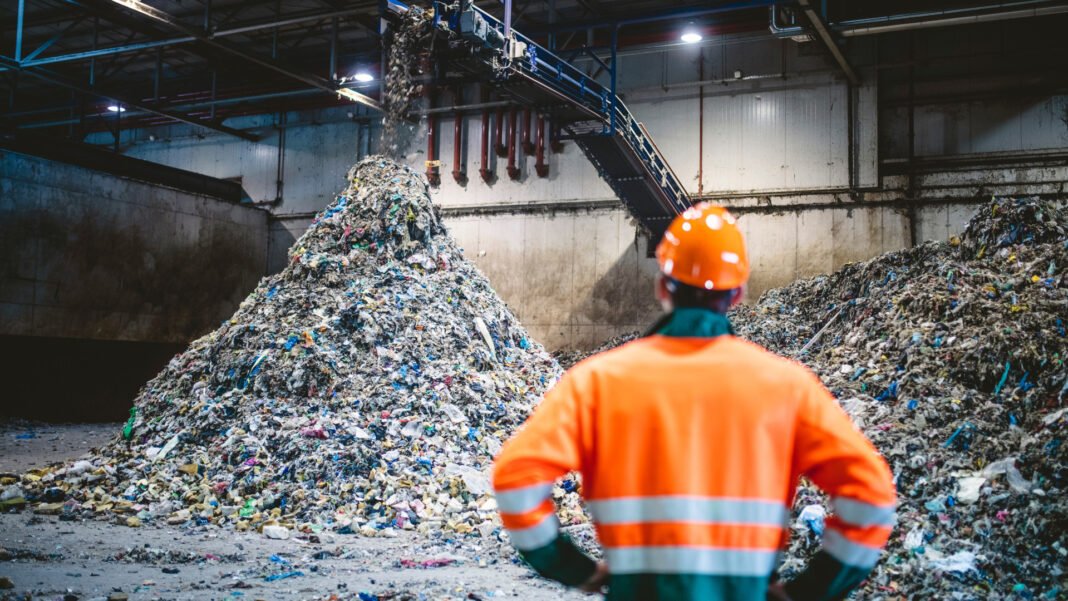
Amin believes one shift can accelerate progress across the sector: treating waste as a resource rather than a liability. Circular approaches reduce landfill dependence, recover valuable materials, and create economic value. Delivering these solutions at scale requires close coordination between industry, regulators, and technology providers.
A Lasting Legacy
Amin’s long-term goal is to build Environmental Horizons into a standard of excellence, recognized for trust, technical strength, and measurable impact. More than growth or recognition, his focus is on building strong teams, developing local expertise, and establishing systems that continue to deliver value long after individual leaders move on.
The principle that guides him is simple:
“Leadership is not about being in charge; it’s about taking care of those in your charge.”
This belief defines how he leads, how decisions are made, and how the company operates, ensuring Environmental Horizons continues to support environmental progress in Saudi Arabia and beyond with responsibility, purpose, and lasting impact.