
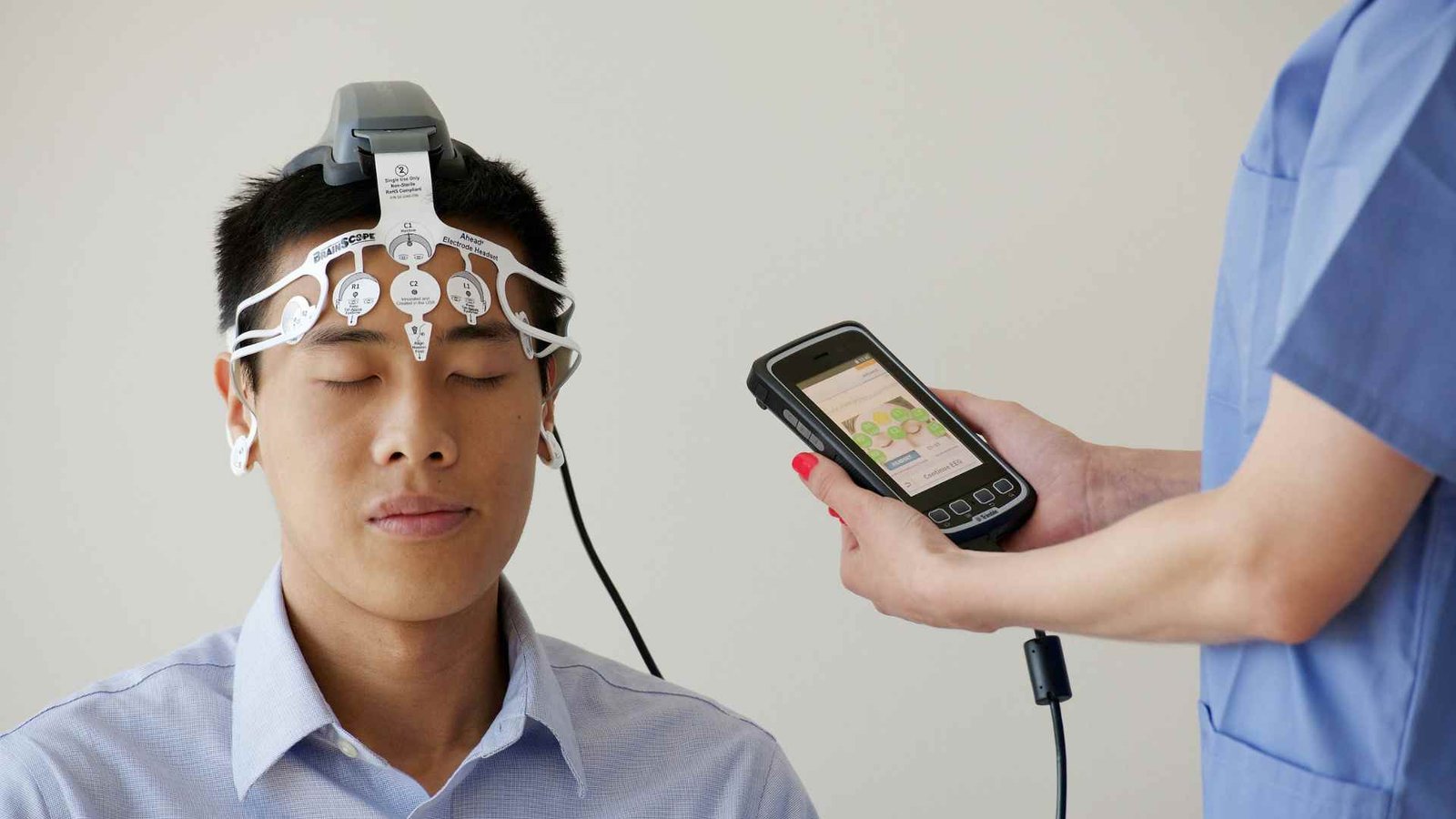
New insights into brain Cells signaling based on body cues

Our muscles and brain cells may share more similarities than previously thought. Recent research from the Lippincott-Schwartz Lab reveals a network of subcellular structures, akin to those driving muscle contractions, which also transmits signals in the brain, potentially impacting learning and memory.

Jennifer Lippincott-Schwartz, Janelia Senior Group Leader, noted a parallel between brain and muscle function, stating, “Einstein said that when he uses his brain, it is like he is using a muscle, and in that respect, there is some parallel here. The same machinery is operating in both cases but with different readouts”.

Endoplasmic Reticulum’s Role

The initial link between brain and muscle cells emerged when scientists at Janelia observed unusual activity in the endoplasmic reticulum (ER). The ER consists of membranous sheets and folds inside cells and is vital for various cellular functions.

Lorena Benedetti, a research scientist at the Lippincott-Schwartz Lab, noticed molecules tracing a repeating, ladder-like pattern along the dendrites of mammalian neurons. Dendrites are branch-like extensions on brain cells that receive incoming signals.

Vagus Nerve and Interoception

The vagus nerve, a cranial nerve that relays information between the brain and internal organs, plays a crucial role in this body-to-brain connection. This process, known as interoception, is essential for survival. Signals transmitted via the vagus nerve are coded independently by specialized vagal sensory neurons.

According to Yale researchers, these signals possess three key features independently coded by vagal sensory neurons: the organ of origin, the tissue layer within that organ, and the nature of the stimulus. This coding mechanism enables the brain’s precise signal discrimination.

Genetic Trajectory

Using novel technology, the Yale team discovered a “genetic trajectory” where neurons on one side projected to upper body organs like the lungs and esophagus, while neurons on the other side projected to lower abdomen organs.

Chang explained that by examining the genetic signature of the vagus nerve, they could identify the target organ of each neuron along the body’s rostro-caudal axis. This indicates the presence of genetic codes for visceral organ information within the vagus nerve.

Tissue Layer Specificity

The researchers also found distinct genetic coding guiding vagal sensory neurons to different tissue layers within organs, independent of the genetic coding for organs. Each organ comprises individual components with varying functions, such as the stomach’s surface connective tissue layer, muscular layer, and innermost mucosa layer.

Chang emphasized the surprise of this finding, noting that previous studies had not considered this aspect. Knowing these two codes allows precise determination of where a particular neuron in the vagus nerve projects within the body.

Specificity in Language

Using more vivid and palpable language rewards readers. Specifics awaken a swath of brain circuits. Think of “pelican” versus “bird.” Or “wipe” versus “clean.” In one study, the more-specific words in those pairs activated more neurons in the visual and motor-strip parts of the brain than did the general ones, which means they caused the brain to process meaning more robustly.

Stirring Language

Experiments show that when people hear a list of words, they often miss a few as a result of “attentional blinks” caused by limits in our brain processing power. But we don’t miss the emotionally significant words. With those, there are no blinks. So when you write your next memo, consider injecting words that package feeling and thought together. Instead of saying “challenge the competition,” you might use “outwit rivals.” In lieu of “promote innovation,” try “prize ingenuity.”

Smart Thinking

Making people feel smart—giving them an “aha” moment—is another way to please readers. Psychological research also reveals how people feel after such moments: at ease, certain, and—most of all—happy.

One way is to draw fresh distinctions. Ginni Rometty, formerly IBM’s CEO, offered one with this description of the future: “It will not be a world of man versus machine; it will be a world of man plus machine.”

Abdul

Hot this week

Abdulfatah Ramadan Mohalhel: A Leader Driven by Integrity, Honesty, and High Ethical Standards

Abdulfatah Ramadan Mohalhel: Kuwait Drilling Company ( KDC ) Entrepreneurs...

UAE’s Botim Launches ‘Send Now, Pay Later’ Remittance Service

In a groundbreaking move, Botim, a popular voice and...

Bolo.ae- UAE Shoppers Are Flocking  for Global Deals

Bolo.ae is changing the game for UAE shoppers tired...

Amjad Barakat: An Influential Business Leader with Unbeatable Spirit and Perseverance

Amjad Barakat, Founder, Brunch & Cake While entrepreneurship can be...

Vinod Damodaran: Master of Aggregates & Inspiring Leadership

Vinod Damodaran, CEO, Central Quarry & Mining “When you want...

Dubai’s Top 15 Music Events and Concerts in 2026

Dubai maintains a full schedule of music events throughout...

BTS Comeback 2026: March 20 Album Release Guide

BTS returns with their fifth studio album on March...

Mobileye to acquire humanoid robotics startup Mentee

Mobileye Mentee Acquisition for $900 million to enter humanoid...

Walaa Unveils Digital Health Insurance Platform with CoverGo

Walaa Cooperative Insurance Company launches its Walaa digital health...

Bahrain Banks’ Merge: Billions at Stake!

Bahrain banks' merger advances quickly as National Bank of...

Rewaa Series B Funding: Saudi Startup Raises $45M to Scale Retail Technology

Rewaa Series B funding has placed the Saudi-based startup...

Sharjah Arabic Poetry Festival 2026: A Living Celebration of the Arabic Word

The Sharjah Arabic Poetry Festival 2026 opened on January...
spot_img

Related Articles

Popular Categories