


FinTech in medical billing is reshaping how hospitals, insurers, and patients across the Middle East handle healthcare payments. What was once a slow, paper-heavy process filled with confusion is now becoming faster, clearer, and more transparent thanks to automation, artificial intelligence, and digital platforms.
When Aisha, a working mother in Dubai, rushed her son to the emergency room after a sports injury, her priority was his recovery. Weeks later, a string of unclear bills, partial insurance approvals, and unexplained charges arrived. Between work and family, she spent days calling hospitals and insurers, trying to understand what she owed. This experience is not unusual.
Across the region, healthcare systems are expanding rapidly, but billing systems often remain complex. That is exactly where FinTech steps in.
Why Medical Billing Has Been So Difficult
Medical billing involves multiple parties: hospitals, doctors, insurance companies, regulators, and third-party administrators. Each follows different pricing rules, coding systems, and approval processes. Even small errors can result in delayed or rejected claims.
In markets such as the UAE, Saudi Arabia, and Qatar, insurance-based healthcare has improved access but also increased administrative layers. Manual processing, repeated verification, and outdated systems slow everything down. This is why FinTech in medical billing has become a game-changer. Automating financial workflows, it reduces friction, speeds up approvals, and minimises human error.
How Automation Is Speeding Up Claims
Modern FinTech platforms automate invoice generation, insurance submissions, and eligibility checks. Instead of staff manually entering the same data across systems, information flows directly from electronic health records into billing software. This reduces processing time from weeks to days and in some cases, to hours.
Hospitals using automated revenue cycle management tools report faster reimbursements and fewer claim rejections. Clinics can better predict cash flow, allowing them to invest more in staff, equipment, and patient care. This is one of the biggest advantages of FinTech in medical billing, it removes bottlenecks that once drained both time and money.
Fewer Errors, Better Accuracy
Billing mistakes remain one of the most expensive problems in global healthcare. Incorrect codes, missing documentation, or mismatched patient details can trigger rejections that take weeks to resolve. FinTech systems now use artificial intelligence to scan claims before submission. These tools flag inconsistencies, detect missing information, and recommend corrections.
Machine learning models also analyse historical patterns to predict which claims may be denied and why. This allows hospitals to fix issues early instead of reacting later. Some providers are also experimenting with blockchain to create tamper-proof records. This adds transparency and reduces fraud, particularly important in the Middle East’s growing medical tourism sector.
Here again, FinTech in medical billing is not just about speed; it is about trust.
A Better Experience for Patients
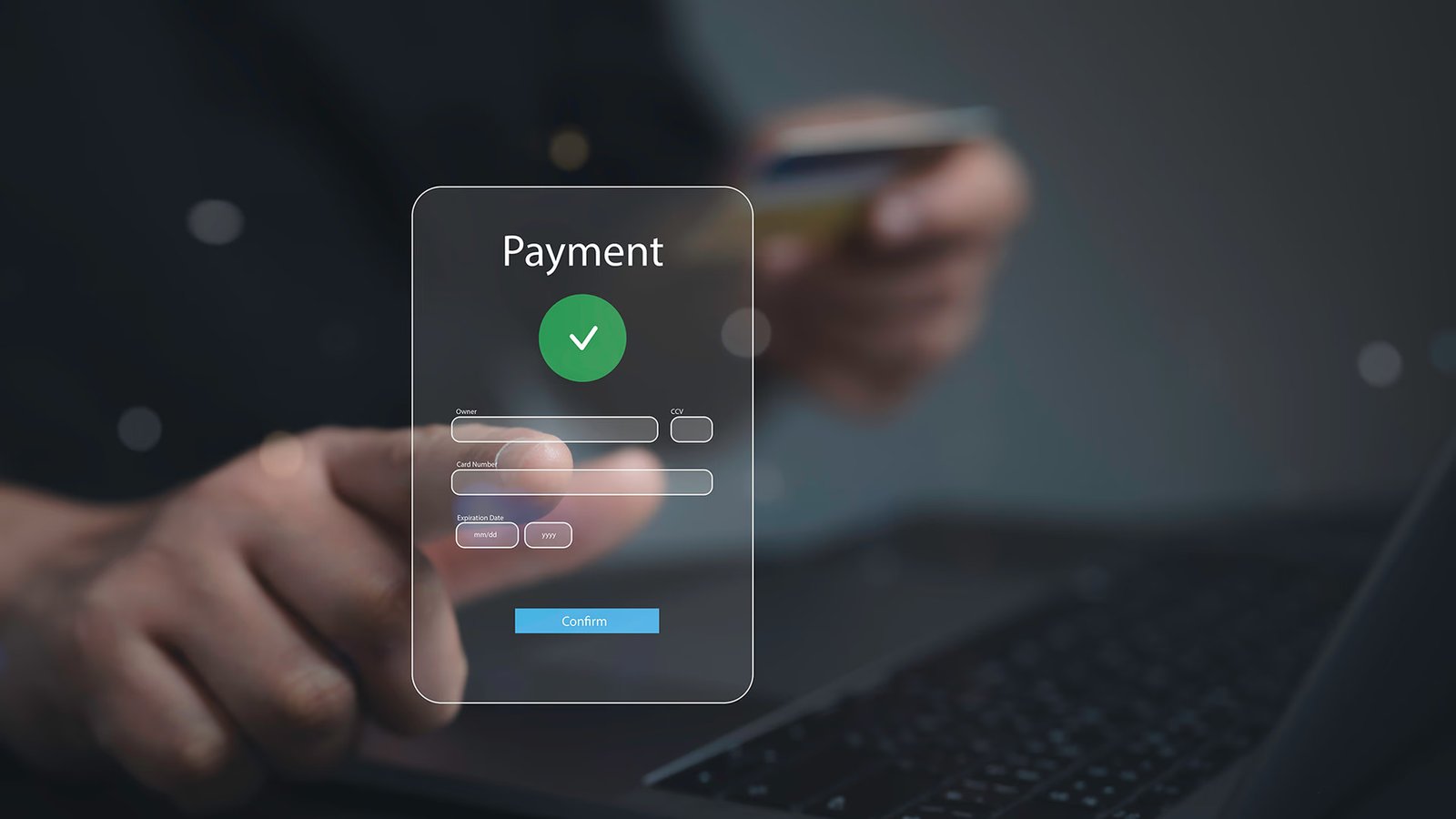
For patients, billing confusion is often worse than the illness itself. Surprise charges, unclear breakdowns, and rigid payment deadlines cause stress. FinTech platforms simplify this by offering digital invoices, real-time insurance coverage checks, and flexible payment plans. Patients can pay via mobile wallets, instalments, or direct bank transfers.
In Saudi Arabia and the UAE, many hospitals now provide cost estimates before treatment. This transparency builds confidence and encourages people to seek care earlier instead of delaying due to cost concerns. This human-centred approach is why FinTech in medical billing is gaining rapid acceptance across the region.
Helping Hospitals Get Paid Faster
Delayed reimbursements hurt healthcare providers, especially small clinics. Long settlement cycles strain cash flow and limit growth. FinTech platforms shorten this cycle by automating claim tracking, follow-ups, and reconciliation. Some systems now offer near-instant settlements.
For hospitals in emerging Middle Eastern markets, this stability is critical. It reduces dependency on patient deposits and emergency funding. Once again, FinTech in medical billing proves its value not just for patients, but for the entire healthcare ecosystem.
Supporting National Digital Health Goals
Countries across the region are prioritising digital healthcare. Saudi Arabia’s Vision 2030, the UAE’s smart health initiatives, and Qatar’s national health strategies all emphasise technology-driven systems.
FinTech aligns naturally with telemedicine, AI diagnostics, and electronic medical records. It ensures that financial processes are just as advanced as clinical ones. Cross-border medical travel, especially in hubs like Dubai, also benefits from unified digital billing platforms that work across currencies, insurers, and borders. This regional shift is accelerating demand for FinTech in medical billing solutions.
Challenges Still Exist
Adoption remains uneven. Smaller clinics worry about cost, training, and integration. Data protection laws such as Saudi Arabia’s PDPL and the UAE’s health data regulations require strict compliance. Patients also need assurance that their financial and medical data is safe. However, more FinTech providers are now building region-specific solutions that meet local legal, cultural, and operational needs.
The Road Ahead
The future points toward fully connected systems where hospitals, pharmacies, insurers, and labs operate on one financial network. Real-time approvals, automated reimbursements, and upfront pricing will soon become standard. And as FinTech in medical billing continues to evolve, it will not just improve efficiency; it will restore clarity, fairness, and confidence to healthcare payments.