
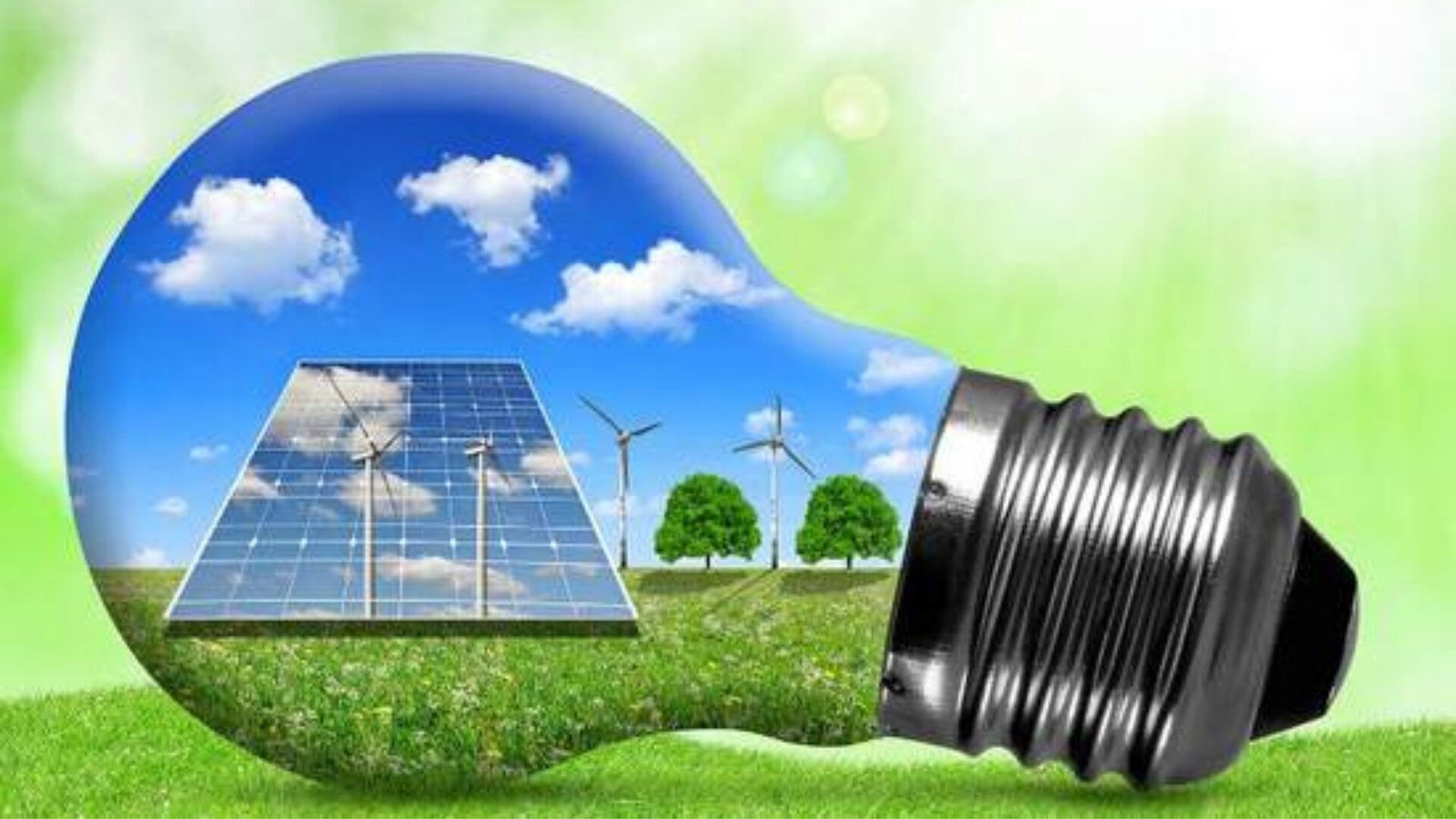

Green Energy & Renewables has become a central focus for the Gulf Cooperation Council (GCC) as the region accelerates its shift from traditional hydrocarbon-driven economies to more balanced, sustainable energy models. Known globally for oil and gas, GCC countries are now embracing cleaner power to strengthen economic resilience, diversify national income, and compete in a rapidly evolving global energy market. This shift reflects environmental responsibility and long-term strategic planning as global demand for clean power continues to grow.
Why the GCC Is Moving Toward a Cleaner Energy Future
The transition toward Green Energy & Renewables is supported by several natural and economic advantages. The Gulf enjoys some of the highest solar exposure in the world, making solar power an affordable and efficient solution for large-scale projects. With rising local energy needs and increasing pressure to reduce carbon emissions, renewable energy allows GCC nations to free up more oil and gas for export while meeting domestic demand sustainably.
Government-led national visions across Saudi Arabia, the UAE, Oman, Qatar, Kuwait, and Bahrain reflect a unified direction. These energy strategies align with global climate goals and support long-term economic diversification. Investors and international partners are increasingly drawn to countries that commit to sustainability, giving the Gulf a competitive edge as the world transitions to low-carbon growth.
Saudi Arabia’s Vision 2030 and Large-Scale Renewable Projects
Saudi Arabia is leading some of the most ambitious clean-energy initiatives in the region. The Kingdom’s Vision 2030 highlights renewable energy as a core pillar of its future economy. Major solar and wind projects are already reshaping the energy landscape. The Sakaka Solar Plant and the Dumat Al Jandal wind farm demonstrate Saudi Arabia’s progress in delivering reliable, utility-scale renewable power.
One of the Kingdom’s most significant ventures is the NEOM Green Hydrogen Project, an advanced facility designed to produce green hydrogen at a global scale. This project positions Saudi Arabia as a future supplier of clean fuels and supports global industries looking for sustainable alternatives. The country’s ongoing investments prove that renewable power is now central to its national growth strategy.
UAE’s Innovative Approach to Clean Energy Leadership
The United Arab Emirates has built a strong reputation as a clean-energy pioneer in the Middle East. Dubai’s Mohammed bin Rashid Al Maktoum Solar Park, one of the largest solar parks in the world, illustrates the UAE’s commitment to leading the region’s renewable transformation. The nation’s approach extends beyond solar. Nuclear energy through the Barakah plant and long-term investments in green hydrogen research also play key roles in its energy mix.
The UAE’s climate initiatives, partnerships with global companies, and leadership during events such as COP28 further strengthen its position. The country has proven that sustainability and economic development can move forward together, creating an environment where innovation and clean technology thrive.
Regional Momentum: Qatar, Oman, Kuwait, and Bahrain
Beyond Saudi Arabia and the UAE, other GCC countries are steadily expanding their renewable portfolios. Qatar has broadened its solar capacity while integrating sustainability initiatives linked to major global events. Oman is rapidly emerging as a major center for green hydrogen production due to its geographic advantages and government support. Kuwait and Bahrain are increasing their renewable energy targets through new solar projects and energy-efficiency programs.
Together, these national efforts show that the GCC is collectively committed to a cleaner, more diverse energy future. The regional momentum reflects a shared goal: achieving sustainable growth without compromising economic strength.
Green Hydrogen: A Growing Opportunity for the Gulf
Among all renewable opportunities, green hydrogen stands out as one of the most promising areas for long-term growth. Produced using clean electricity, green hydrogen has the potential to become a major global fuel for heavy industries, transportation, and international power markets. With strong sunlight, vast land resources, and deep experience in energy infrastructure, the GCC is well-positioned to become a leading global exporter.
Saudi Arabia, Oman, and the UAE have already signed international agreements to develop green hydrogen and green ammonia production. As demand for cleaner fuels rises, the Gulf’s early investment gives it a strategic advantage.
Economic and Environmental Benefits of the Renewable Pivot
The expansion of Green Energy & Renewables brings multiple benefits to the GCC’s long-term development. As solar and wind prices continue to decline, renewable energy allows nations to lower electricity costs and reduce dependency on fossil fuels. This transition also supports job creation across engineering, construction, operations, and research, helping build a diversified and future-ready workforce.
Environmental benefits are equally significant. Cleaner power reduces emissions, protects natural ecosystems, and aligns the region with international climate commitments. The shift also strengthens the Gulf’s global reputation as a forward-thinking, sustainable energy hub.
Challenges in Building a Renewable Future
Despite strong progress, the transition comes with challenges. Renewable power requires advanced storage systems to ensure a consistent electricity supply. The region must also modernize its electrical grids to support large amounts of clean energy coming online. Policy frameworks need continuous development to attract private investment and accelerate innovation. Balancing long-standing oil and gas industries with new renewable sectors requires careful planning and long-term vision.
Even with these challenges, the region’s momentum is strong. The GCC has demonstrated the resources, ambition, and commitment needed to build a cleaner and more resilient energy future.
A Defining Moment for the Gulf
The GCC’s shift toward Green Energy & Renewables marks one of the most important transformations in the Vision 2030. This strategic pivot strengthens economic stability, supports sustainable growth, and positions the Gulf as an essential player in the global clean-energy landscape. As countries continue investing in solar, wind, hydrogen, and advanced technologies, the GCC is shaping a future built on innovation, responsibility, and long-term prosperity.