
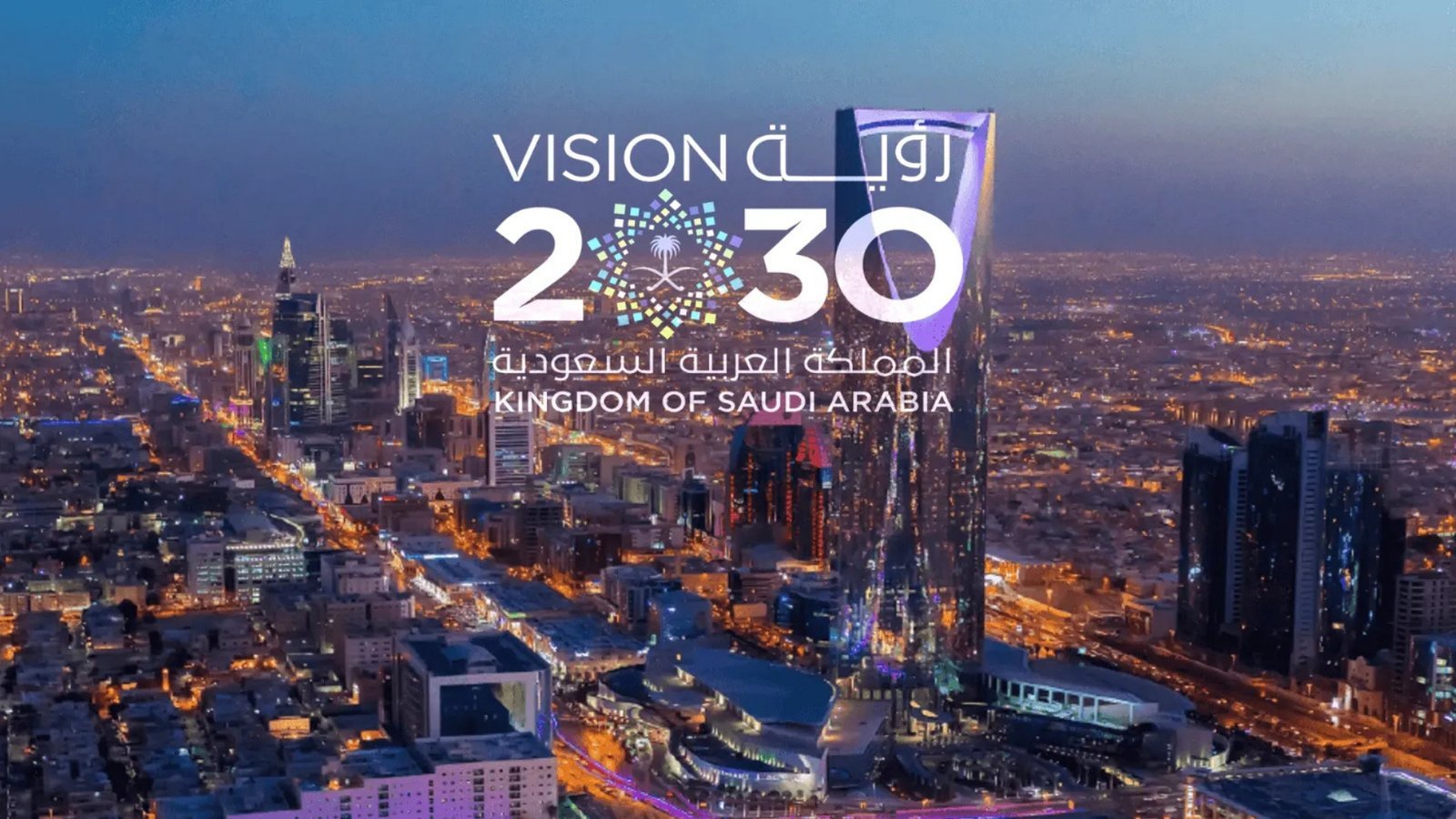

When the Saudi Vision 2030 masterplan was unveiled in April 2016 by Crown Prince Mohammed bin Salman, it marked the start of one of the most ambitious national transformations of the 21st century. It wasn’t just a policy document; it was a declaration that Saudi Arabia would move beyond its long-standing oil dependency to build a future defined by innovation, sustainability, and global leadership. Nearly a decade on, with just a few years remaining until the 2030 deadline, the Vision has shifted decisively from blueprint to reality, reshaping life across the Kingdom in profound ways.
To better understand how this national transformation began and why it matters so deeply to the region, experts and global analysts have shared valuable insights over the years. The video below highlights the economic thinking behind the Saudi Vision 2030 masterplan and shows how early planning laid the foundation for today’s progress.
The Birth of a New National Narrative
Launched in April 2016 by Crown Prince Mohammed bin Salman, the Saudi Vision 2030 masterplan drew on three strategic pillars: a Vibrant Society, a Thriving Economy, and an Ambitious Nation. At its heart was a promise to diversify the economy, uplift the quality of life for citizens, and modernize governance structures. For years, Saudi Arabia’s economy was closely tied to oil revenues, but Vision 2030 set out to change that to forge a sustainable future driven by private enterprise, global investment, and cutting-edge industries.
Today, the Kingdom finds itself in what officials often call the “decisive phase,” with only four years left to achieve the Vision’s core goals. Many targets have either been met early or are well on track, and these milestones tell a story of transformation visible in everyday life.
A Vibrant Society: New Norms and Broader Horizons
One striking dimension of transformation under the Vision has been changes in social life. Saudi cities are bustling with cultural activities, entertainment, and sports events that would have been unimaginable just a decade ago. Concerts, film festivals, and international sporting events have helped refresh social norms and broaden global engagement. Urban initiatives like park restorations and public art installations have also increased the quality of life across major cities.
Healthcare accessibility improvements, along with public health initiatives, are bearing fruit. Average life expectancy has grown, while safety and services coverage are high, thanks to expanded healthcare access nationwide.
Economic Diversity: From Oil to Opportunity
The thrust of the Saudi Vision 2030 masterplan is economic diversification, and here the numbers are telling. The non-oil economy now accounts for roughly half of Saudi GDP, a dramatic shift from its historical dominance by oil revenues. Meanwhile, unemployment among Saudi nationals has dropped significantly, reaching around 7 percent or below and even prompting discussions to revise long-term employment targets.
At the same time, the role of the private sector has grown substantially. Its contribution to GDP has climbed, and the number of Saudi citizens employed in private enterprises has risen sharply, a clear sign that the economy is broadening beyond public sector jobs.
Perhaps one of the most visible gains has been in women’s participation in the workforce. Where female labor force participation once lingered below 20 percent, it now stands above 35 percent, surpassing original Vision 2030 targets and highlighting deep societal shifts. Saudi women are now prominently represented across various sectors, from technology to hospitality and management roles.
Mega Projects: Engines of Global Ambition
Mega projects are the crown jewels of the Vision, capturing international attention and investment. NEOM, the futuristic $500 billion city, symbolizes Saudi ambition, built around clean energy, high-tech innovation, and new ways of living. Its centerpiece, the linear city “The Line,” aims to combine sustainability with urban living on an unprecedented scale.
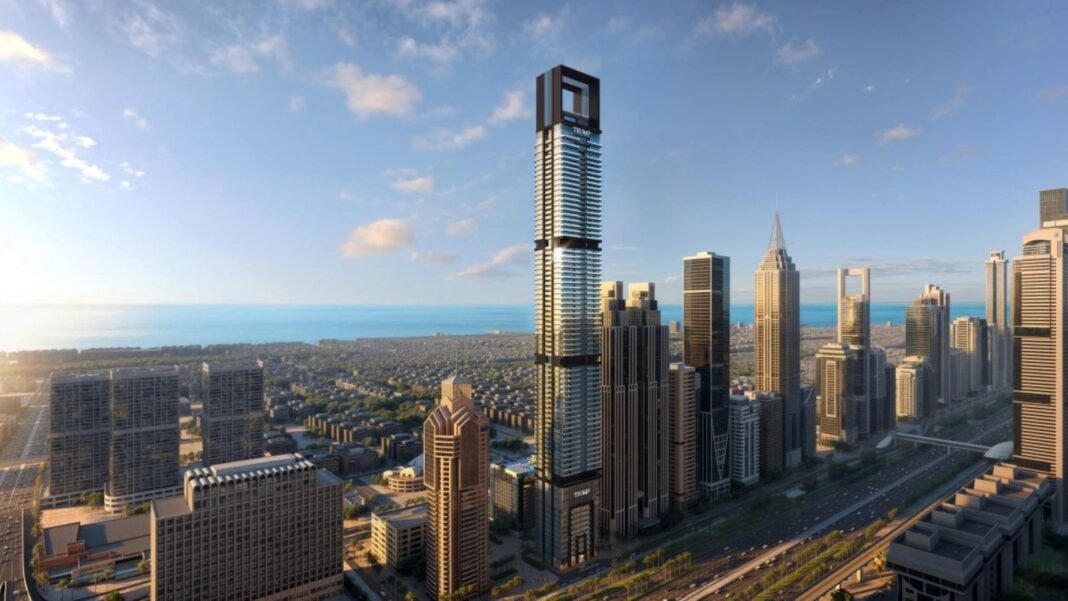
Along the Red Sea Coast, the Red Sea Project and Amaala are transforming deserted stretches of shoreline into luxury tourism destinations focused on ecology and wellness. These developments aim to attract international visitors while promoting sustainable tourism models. Meanwhile, back in Riyadh, the New Murabba and The Mukaab projects are redefining downtown urban space with gravity-defying architecture that rivals any global capital. Qiddiya, designed as the Saudi capital of entertainment, is fast becoming a magnet for regional visitors with theme parks, sports arenas, and creative arts hubs.
To understand the true scale and ambition behind these developments, it helps to see them in action. A detailed visual explanation of how NEOM, The Line, and other giga-projects are reshaping Saudi Arabia’s future is shared in the video below. It offers viewers a clear picture of how these ideas are moving from drawings and plans to real structures on the ground, reflecting the spirit of the Saudi Vision 2030 masterplan.
Sustainability: A Green Future
Under Vision 2030, Saudi Arabia isn’t just diversifying its economy, it’s investing in a greener one. The Saudi Green Initiative sets ambitious targets for renewable energy adoption, aiming for roughly 50 percent of power from renewables by 2030 and net-zero carbon emissions by 2060. Green hydrogen projects and renewable infrastructure are growing rapidly, positioning the Kingdom as a future hub for clean energy exports.
The Road Ahead
As 2030 approaches, Saudi Arabia’s journey from blueprint to global reality reflects a deep commitment to progressive transformation. The Vision has positioned the Kingdom as a bridge between continents and a player on the world stage of innovation, culture, and economic diversification. If realized in full, the Saudi Vision 2030 masterplan will stand as a remarkable example of how strategic reform can redefine a nation’s future.
Comparing 2016 and 2026: The Progress So Far
| Metric | 2016 Baseline | 2026 Status |
| Unemployment (Saudis) | ~12.3% | ~7% or lower |
| Women’s Workforce Participation | ~17% | ~36%+ |
| Non-Oil GDP Contribution | ~18% | ~50% |
| Home Ownership | ~47% | ~63%+ |
The changes are real, visible, and reshaping Saudi Arabia’s place in the world. This transformation has just begun, and its full impact will be felt well beyond 2030.
A recent post from the official account highlighted structural economic reforms under Vision 2030: