



The technology landscape in the UAE continues to evolve at an impressive pace, with new advancements constantly reshaping the way we live, work, and transact. The United Arab Emirates (UAE) is set to introduce an innovative payment method that promises convenience, security, and a touch of sci-fi flair. Say hello to Palm Pay technology, where your palm becomes your wallet! Imagine strolling through a bustling mall, making purchases without reaching for your wallet or phone. It’s not science fiction; it’s the future of payments.
The mastermind behind this groundbreaking solution is Astra Tech, a technology development group that recently launched Palm Pay through its fintech subsidiary, PayBy, at the renowned Dubai Fintech Summit. “The rollout of the Palm Pay technology is planned to happen gradually throughout 2024,” stated Abdallah Abu Sheikh, the founder of Astra Tech, in an exclusive interview.
How Does Palm Pay Work?
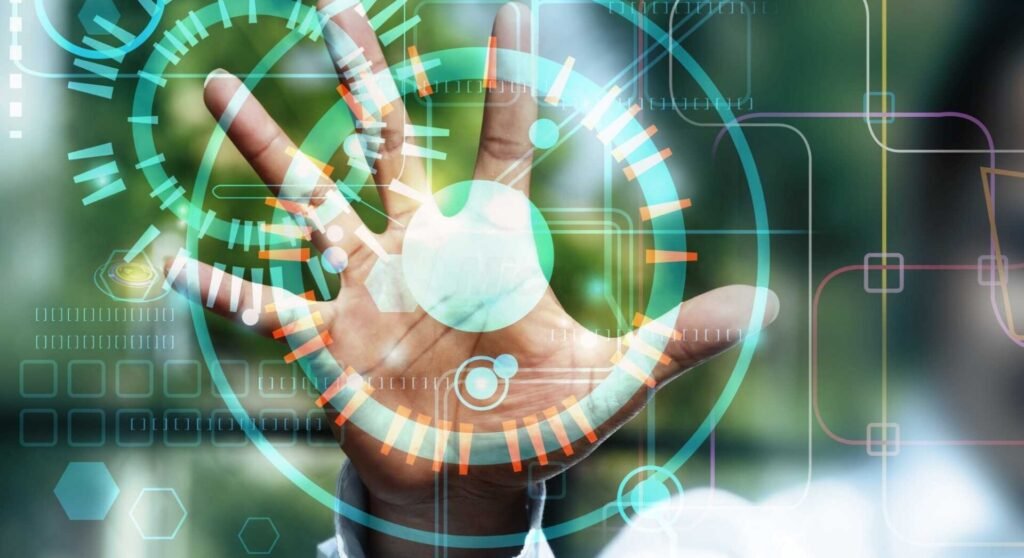
Palm Pay simplifies the payment process through innovative biometric authentication, utilizing contactless palm recognition technology. The system streamlines transactions for users, eliminating the need for traditional methods such as swiped cards or entering PINs. Instead, users register for Palm Pay directly at the point of sale, ensuring seamless integration into their payment routine.
To begin using Palm Pay, individuals can easily sign up at participating merchants. Additionally, future developments aim to expand registration capabilities through integration with popular apps like PayBy and Botim. This integration will enable users to conveniently update their accounts with palm prints, mirroring the ease of facial recognition technology.
Once registered, the payment process becomes as effortless as a simple gesture. Users merely need to wave their palms in front of payment machines at participating merchants. This futuristic approach to payment enhances convenience and security by leveraging biometric authentication. With Palm Pay, transactions become swift, secure, and elegantly streamlined, ushering in a new era of effortless commerce.
Advantages of Palm Pay Technology
Unparalleled Security
Palm veins possess unique and intricate patterns, rendering them extremely difficult to replicate or forge. This inherent uniqueness makes palm vein authentication a highly secure method, surpassing the vulnerabilities associated with traditional passwords or ID cards.
Hygienic and Contactless
Palm Pay technology eliminates the need for physical contact with scanners, ensuring a hygienic transaction process. This feature holds significant relevance in a post-pandemic world, offering reassurance to customers concerned about the spread of germs through physical contact. Additionally, it serves as an ideal alternative for individuals wary of fingerprinting or eye-scanning systems.
Cost-Effective Solution
Merchants can capitalize on Palm Pay’s cost-effectiveness, enjoying reduced transaction costs compared to traditional card payments. Moreover, Palm Pay contributes to financial inclusion by providing a viable payment solution for the unbanked population, thereby broadening access to financial services.
Integration with Existing Systems
Early adopters of Palm Pay can seamlessly integrate the technology into their existing point-of-sale systems. This smooth integration process ensures minimal disruption to operations while offering merchants the opportunity to enhance the customer experience and streamline payment processes. Furthermore, Palm Pay’s scalability across various sectors, including retail, positions it as a versatile solution capable of meeting diverse industry needs.
Disadvantages of Palm Pay Technology
Limited Availability and Accessibility
The gradual rollout of Palm Pay throughout 2024 may restrict initial access for consumers. Not all merchants may immediately adopt this technology, leading to limited availability in certain regions or establishments. This could potentially inconvenience users who are eager to embrace the convenience of Palm Pay but find it unavailable at their preferred merchants.
High Implementation and Maintenance Costs
Implementing Palm Pay requires upgrading existing systems to accommodate the technology, which can incur high initial costs for merchants. Additionally, regular maintenance is crucial to ensure optimal performance, adding to the ongoing expenses associated with Palm Pay adoption. These financial barriers may deter some merchants from adopting the technology, especially smaller businesses with limited budgets.
Privacy and Security Concerns
The collection of biometric data for palm vein authentication raises legitimate privacy concerns among consumers. Safeguarding this sensitive information is paramount, necessitating robust encryption measures and transparent policies regarding data usage and storage. Furthermore, obtaining explicit user consent for the collection and utilization of biometric data is essential to addressing privacy apprehensions and building trust among consumers.
Compatibility Challenges
Palm Pay’s compatibility with existing infrastructure may pose challenges to widespread adoption. Not all point-of-sale systems or payment terminals may support Palm Pay universally, leading to compatibility issues for merchants and users alike. This lack of interoperability could impede the seamless integration of Palm Pay into existing payment ecosystems, slowing down its adoption rate and limiting its potential impact.
Palm Pay technology represents a leap forward in the UAE’s payment landscape. While its advantages are compelling, addressing implementation costs, privacy concerns, and compatibility challenges will be crucial. As we embrace this futuristic payment method, let’s ensure that convenience doesn’t compromise security
In the coming months, as the gradual rollout of Palm Pay technology commences, merchants and customers alike can look forward to a future that embraces simplicity, security, and speed within the realm of financial transactions. By harnessing the power of unique biometric data, waving palms will become more than just a friendly gesture; it will signify a new era in enhanced payment experiences that put the customer first.
We invite you to share your thoughts with us regarding the recent strides in payment technology with Palm Pay in the UAE. Do you believe this innovation will revolutionize the way we transact? Additionally, considering the gradual rollout throughout 2024, do you foresee accessibility challenges for consumers and merchants? We’d love to hear your insights and perspectives on these evolving topics. Share your opinions in the comments below.