
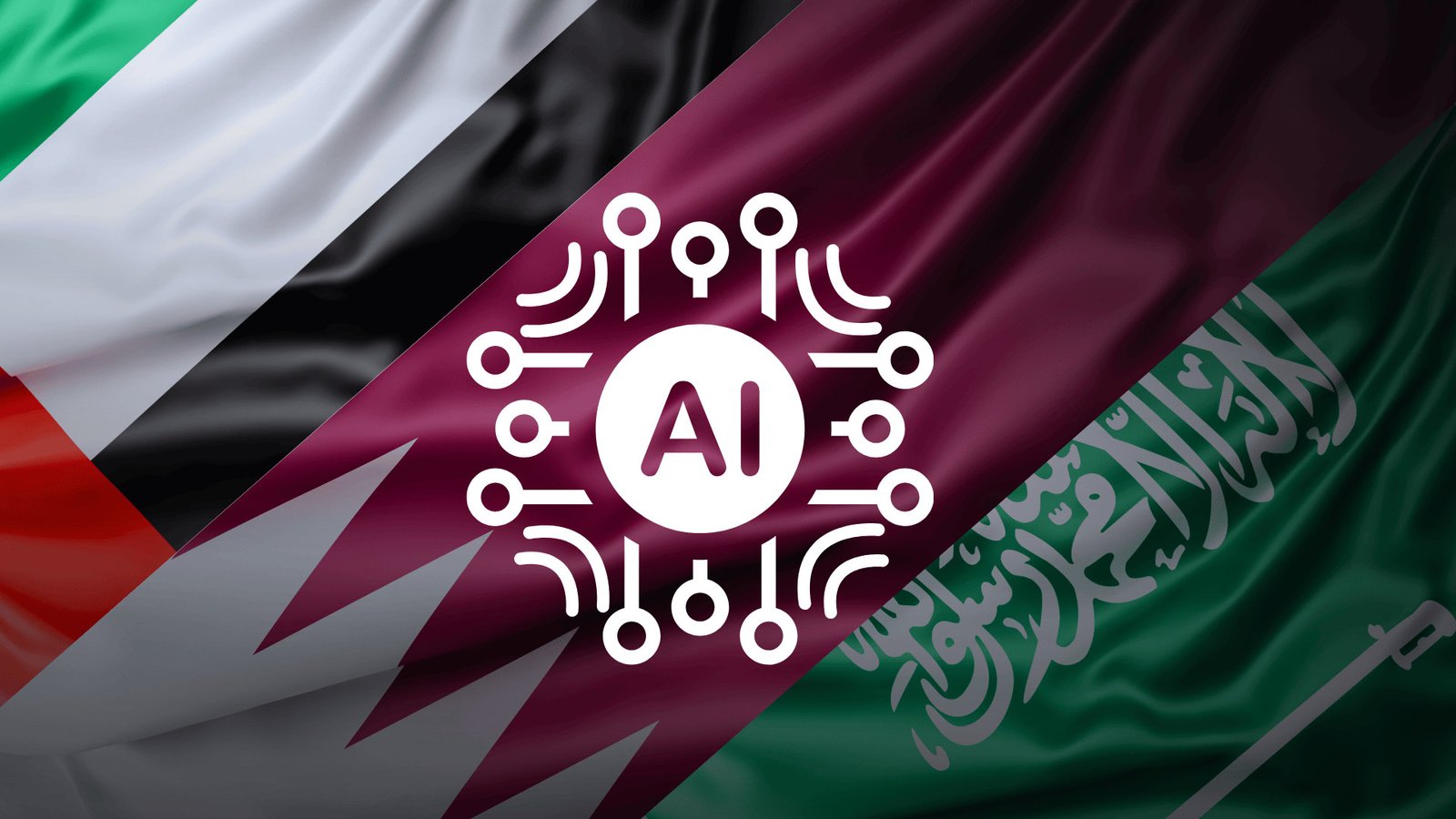

Dubai, Riyadh, and Doha sit at the heart of the Gulf’s shift from oil riches to tech powerhouses. These cities pour billions into data centers, AI labs, and innovative infrastructure, each racing to become the region’s innovation leader by 2026. Leaders see tech as the key to jobs, economic growth, and a future beyond fossil fuels. Deals with giants like Microsoft, OpenAI, and NVIDIA fuel the fire. It’s a friendly contest where proximity means they watch each other’s moves closely, spurring faster progress for all.
Dubai
Dubai has been an early adopter of tech projects, using its business-friendly reputation to attract global players. They have data centers built to withstand the desert heat, with carefully designed cooling and dust-control systems. One example is a facility near a golf course that uses special mats to keep sand out. Inside, servers stay cool and run smoothly, processing massive AI workloads without a hitch.
In 2026, bigger plans come online. G42 in Abu Dhabi is working with OpenAI and Oracle on the Stargate UAE project, a 1-gigawatt AI cluster. Its first phase starts that year with 200 megawatts of power, enough to train advanced models for drug discovery and climate solutions. Microsoft adds another 200 megawatts to its over $15 billion in investments.
Free zones like Internet City and Silicon Oasis make it easy for companies to set up, offering full foreign ownership and quick permits. They test technologies such as drones for delivery, blockchain for secure government services, and smart city tools that adjust lighting and traffic in real time.
Dubai aims to lead in innovation with a “10X” approach, planning far ahead. Projects like Al Jaddaf show net-zero buildings with solar power and automated food systems grown on-site. These efforts draw venture capital, top engineers from around the world, and partnerships that turn ideas into reality fast.
Riyadh
Riyadh wants to catch up quickly and even leap ahead with sheer scale. Through HUMAIN, their state-backed AI company, they build data centers in the capital and Dammam, both set to open in 2026. They partner with companies like NVIDIA, AMD, and Amazon for their own sovereign cloud systems, which keep sensitive data under local control.
This setup keeps data local, cuts latency for regional users, and meets strict privacy rules. Riyadh uses digital twins, virtual replicas of entire cities, to manage traffic flows, optimize power grids, and streamline factories. They put a lot of money into these efforts, aiming for multiple gigawatts of compute power to rival global leaders. Investments include training local talent through new universities and AI-focused bootcamps.
The projects create thousands of jobs and bring in global partners for long-term ties. Riyadh focuses on scale to make a real impact, turning vast oil wealth into enduring tech strength.
Doha
Doha takes steady, targeted steps that play to its strengths. Their TASMU Smart Qatar program aims to deploy 5G networks and automation in industrial areas by 2026, enabling robots for manufacturing and logistics. AI tools help in healthcare, like aiding doctors with diagnostics, predicting outbreaks, and mapping genes for personalized medicine. Qatar joins supply chain efforts with the U.S. and UAE to secure chips and hardware flows.
A high-speed rail to Riyadh starts the same year, cutting travel time and boosting cross-border business. Doha works on space tech trials for satellite data and sustainable data centers with low-water cooling. Their smaller size enables them to move fast, making them a good fit for AI in key areas such as finance for fraud detection, energy trading, and urban planning.
Focus on Data Centers
Data centers form the base for all this AI growth. They need a lot of power, hundreds of megawatts each, and all three cities plan expansions in 2026 to meet surging demand. The UAE has a lead in operational sites and partnerships, but Saudi Arabia is investing heavily to close the gap quickly. Qatar builds through innovative partnerships that leverage its neutral stance.
Heat makes cooling a challenge, which requires extra energy and water in desert climates. Solutions include advanced liquid cooling and renewable power ties. Some look at new ideas, like space-based options from Abu Dhabi ventures testing orbital servers for endless solar energy and low latency.
Each city brings something different: Dubai innovates with agility, Riyadh scales up boldly, and Doha connects systems effectively.
What Comes Next
By 2026, these efforts will change the region with new jobs, startups, and global investment. Dubai builds smart cities that run efficiently, Riyadh adds raw compute power, and Doha links systems for seamless trade. Free zones expand, universities train thousands, and AI service exports grow.
They still need more skilled workers, reliable energy grids, and clear regulations for data use. Talent programs and power plants are in the works. But the push forward looks solid. Tech helps move beyond oil dependence, and their nearby locations turn competition into shared progress.